Skip to content

Hyperplasia

What is Sebaceous Hyperplasia?

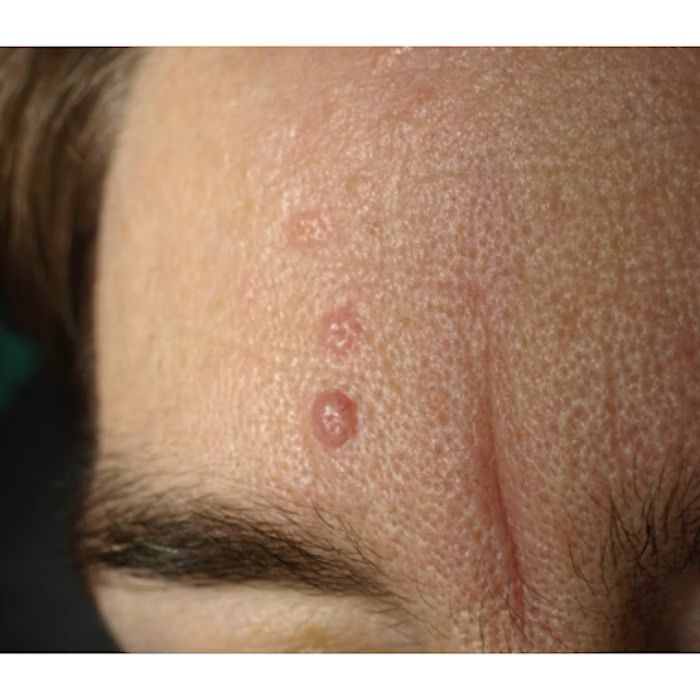
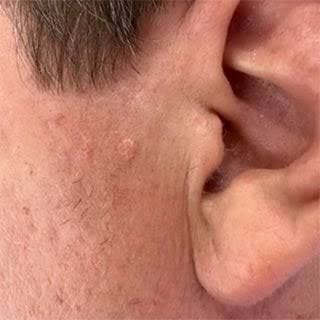
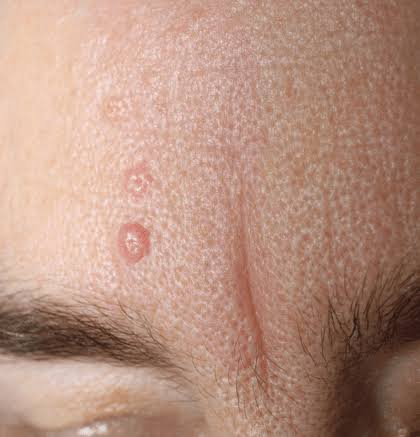
Sebaceous hyperplasia is a common, harmless skin condition in which the oil (sebaceous) glands become enlarged. It appears as small, soft, yellowish or skin-colored bumps, most commonly on the face. Although benign, many people seek treatment for cosmetic reasons.
Common Symptoms

* Small, soft, skin-colored or yellowish bumps
* Usually 2–5 mm in size
* Central depression (umbilication) may be visible
* Commonly affects the forehead, cheeks, nose, and chin
* Painless and non-itchy
* Often occurs as multiple lesions

Common Causes & Risk Factors

* Aging
* Enlarged sebaceous (oil) glands
* Oily skin
* Genetic predisposition
* Hormonal influences
* Long-term sun exposure

Diagnosis

Sebaceous hyperplasia is usually diagnosed through a clinical skin examination by a dermatologist. In some cases, dermoscopy or a skin biopsy may be performed if the diagnosis is uncertain.

Prevention

* Maintain a regular skincare routine.
* Use non-comedogenic skincare products.
* Protect your skin from excessive sun exposure with sunscreen.
* Avoid picking or squeezing the bumps.

When to See a Dermatologist

Consult a dermatologist if you notice new or enlarging facial bumps, if the lesions bleed or change in appearance, or if you would like them evaluated or removed for cosmetic reasons.

Note: Sebaceous hyperplasia is a benign condition and is not contagious or cancerous. Professional evaluation helps distinguish it from other skin growths that may appear similar.

Can I squeeze or pop a sebaceous hyperplasia bump like a regular pimple?
No. Unlike a pimple, these bumps are not filled with trapped pus or liquid sebum; they are made up of overgrown, solid gland tissue. Squeezing or picking at them will not make them flatten out, but it will cause skin irritation, bleeding, and permanent scarring.
Will these bumps disappear on their own over time?
Unfortunately, no. Sebaceous hyperplasia bumps are permanent skin changes and do not clear up on their own. While they are completely harmless and don’t require medical removal, they will generally stay the same size or slowly multiply unless treated by a professional.
What is the most effective way to treat or remove them?
Because the overgrowth sits deep within the skin, topical treatments like retinoids only offer mild improvement by promoting cell turnover. For complete removal, dermatologists use minor in-office procedures such as electrocautery (using heat to shrink the gland), cryotherapy (freezing it), or targeted laser therapy.