
Skip to content

Cutaneous Larva Migrans

What is Cutaneous Larva Migrans?

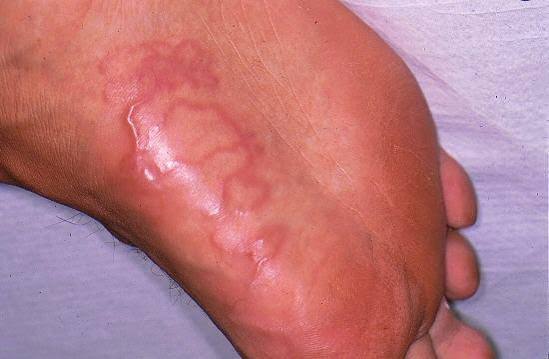
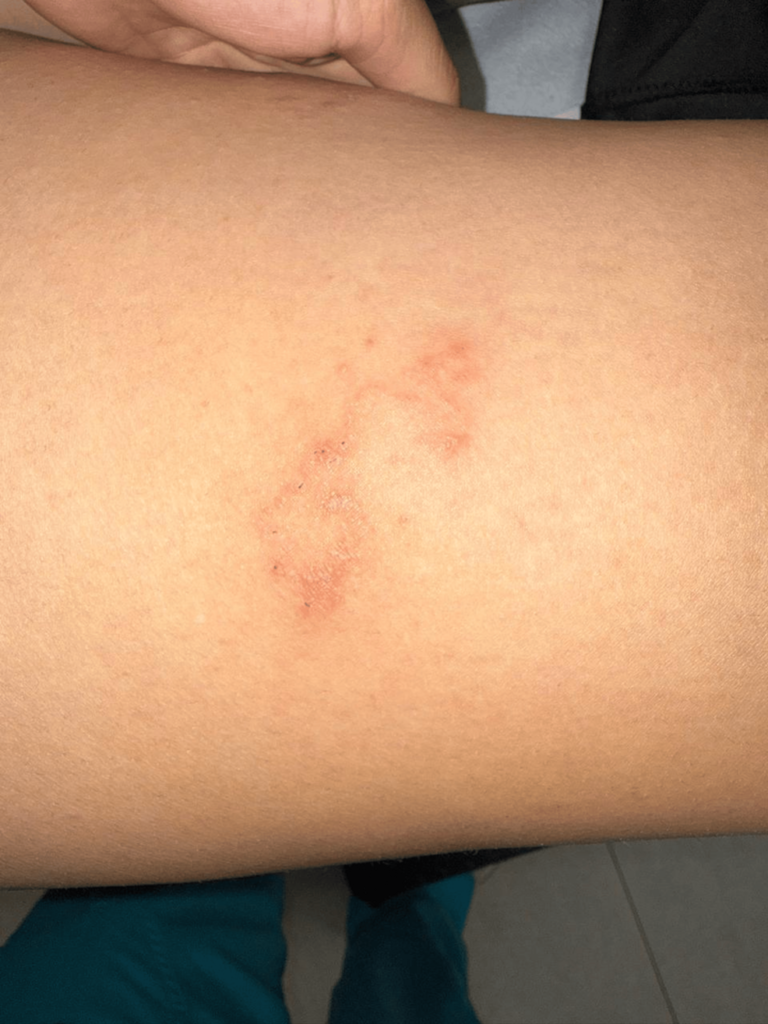
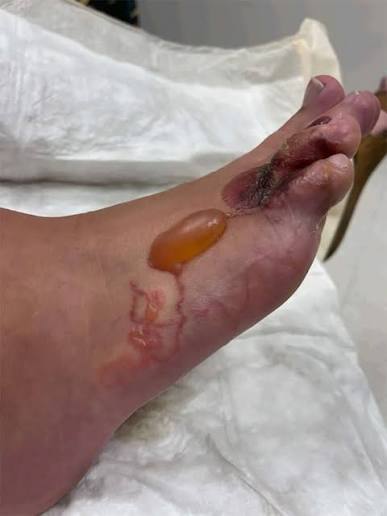
Cutaneous larva migrans (CLM), also known as creeping eruption, is a parasitic skin infection caused by the larvae of animal hookworms. The larvae penetrate the skin after contact with contaminated soil or sand, leading to intensely itchy, winding skin tracks. The condition is common in tropical and subtropical regions and is usually self-limiting but requires treatment to relieve symptoms.
Common Symptoms

* Intense itching, often worse at night
* Raised, red, winding (serpiginous) tracks on the skin
* Slowly advancing skin lesions
* Mild swelling around the affected area
* Scratching may lead to secondary bacterial infection

Commonly Affected Areas

* Feet
* Toes
* Legs
* Buttocks
* Hands
* Areas that come into direct contact with contaminated soil or sand

Common Causes & Risk Factors

* Walking barefoot on contaminated soil or sand
* Contact with beaches or playgrounds contaminated by dog or cat feces
* Gardening without protective footwear or gloves
* Living in or traveling to tropical and subtropical regions

Diagnosis

A dermatologist usually diagnoses cutaneous larva migrans based on the characteristic appearance of the skin lesions and a history of exposure to contaminated soil or sand. Laboratory tests are rarely required.

Prevention

* Avoid walking barefoot in areas that may be contaminated.
* Wear footwear on beaches and in parks.
* Use towels or mats when sitting or lying on sand.
* Practice good hand and foot hygiene.
* Ensure regular deworming of household pets.

When to See a Dermatologist

Consult a dermatologist if you develop an intensely itchy, creeping rash after contact with soil or sand, if the lesions continue to spread, or if signs of infection such as increasing pain, swelling, or pus develop.

Note: Cutaneous larva migrans is a treatable skin condition. Early diagnosis and treatment can quickly relieve itching, stop the progression of the larvae, and prevent secondary infection.

Can the hookworm larvae burrow deeper and infect internal human organs?
No. Because humans are accidental hosts, these specific animal hookworms lack the necessary enzymes to break through the deeper layers of human skin. The larvae remain trapped in the uppermost layer (the epidermis) where they eventually die off on their own after a few weeks or months.
What is the most effective way to prevent catching this infestation?
The best prevention is to avoid walking barefoot or sitting directly on dry or damp sand and soil, especially at beaches or parks where dogs and cats are permitted. Always use a towel or mat when lounging on the ground, and wash your feet thoroughly after outdoor activities.
When should I consult a dermatologist for these symptoms?
You should seek professional medical evaluation if you notice an intensely itchy, red, winding or snake-like rash that actively migrates or creeps forward across your skin day by day, particularly after traveling or spending time bare-skinned on the beach.