
Skip to content

Cutaneous Leishmaniasis

Contact Us Today!

Acne scar treatment reduce appearance of marks left behind by breakouts.

Contact Us Today!

What is Cutaneous Leishmaniasis?

Cutaneous leishmaniasis is a skin infection caused by Leishmania parasites, which are transmitted through the bite of infected female sandflies. The disease primarily affects the skin, causing sores that may heal with scarring if left untreated. Early diagnosis and treatment help reduce complications and improve cosmetic outcomes.
Common Symptoms

* Painless or mildly painful skin sores
* Red bumps that gradually enlarge
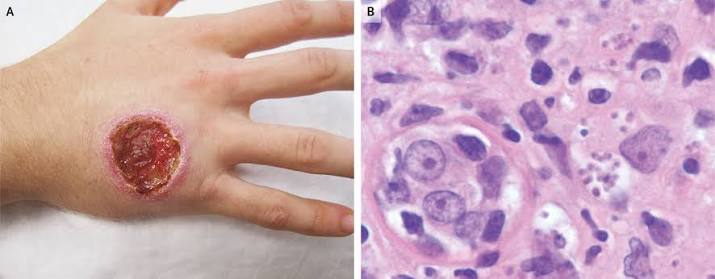
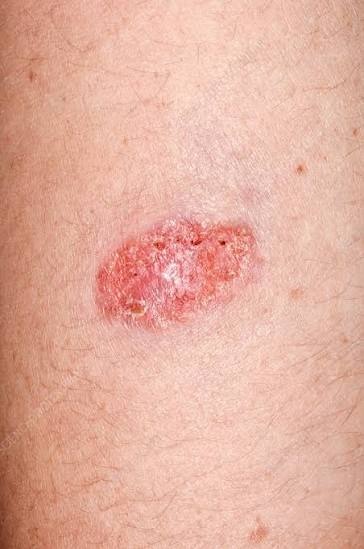
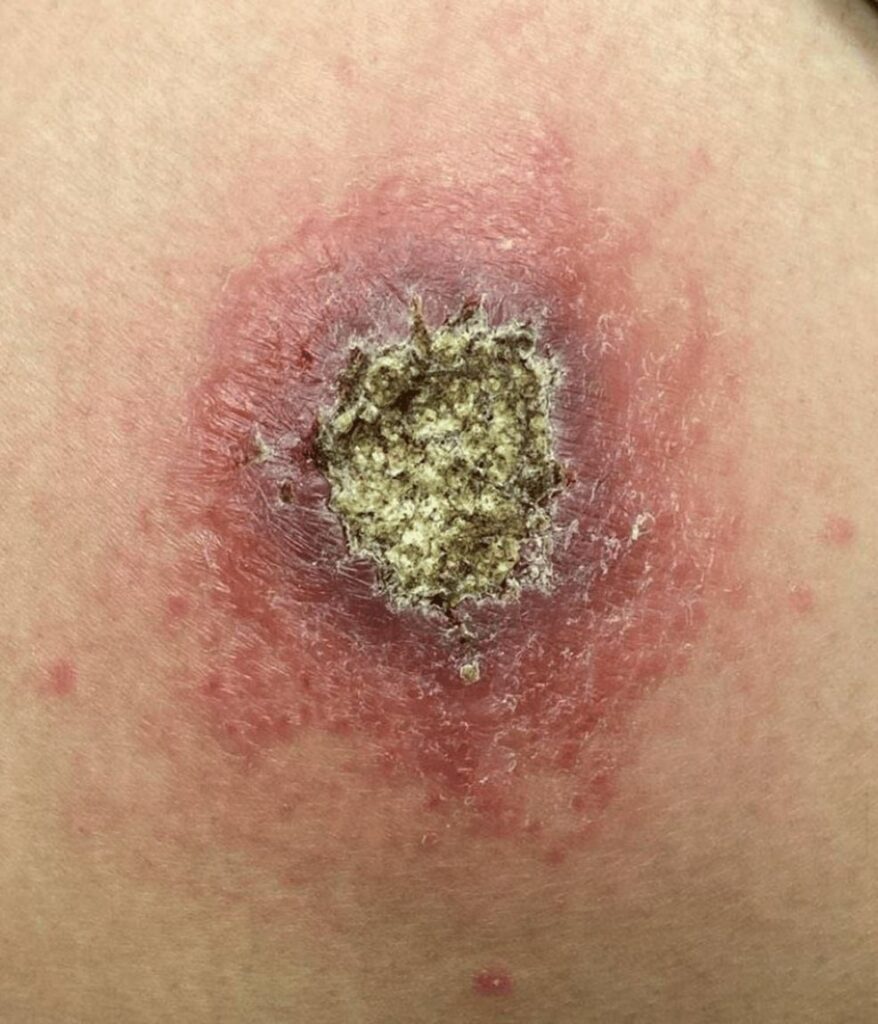
* Ulcers with raised edges and a central crust
* Single or multiple skin lesions
* Lesions commonly occur on exposed areas such as the face, arms, hands, and legs
* Healing may leave permanent scars

Who Is at Risk?

* People living in or traveling to endemic areas
* Individuals exposed to sandflies during outdoor activities
* Military personnel, farmers, and outdoor workers
* People living in rural or forested regions

Diagnosis

A dermatologist diagnoses cutaneous leishmaniasis through a clinical examination and may confirm the diagnosis with laboratory tests such as skin smear, biopsy, microscopy, culture, or molecular tests (PCR).

Prevention

* Use insect repellents on exposed skin.
* Wear long-sleeved clothing, especially from dusk to dawn.
* Sleep under insecticide-treated bed nets in endemic areas.
* Reduce exposure to sandflies by avoiding high-risk areas when possible.

When to See a Dermatologist

Consult a dermatologist if you develop a persistent skin sore or ulcer that does not heal, especially after living in or traveling to an area where leishmaniasis is common. Early diagnosis and treatment can reduce the risk of scarring and complications.

Note: Cutaneous leishmaniasis is a treatable condition. Prompt medical evaluation and appropriate therapy are important for the best cosmetic and clinical outcomes.

What is Cutaneous Leishmaniasis?
Cutaneous leishmaniasis is a skin infection caused by Leishmania parasites, which are transmitted through the bite of infected female sandflies. The disease primarily affects the skin, causing sores that may heal with scarring if left untreated. Early diagnosis and treatment help reduce complications and improve cosmetic outcomes.
How long does it take for symptoms to appear after a sandfly bite?
The incubation period can vary significantly, with sores typically appearing anywhere from a few weeks to several months after an individual is bitten by an infected sandfly.
When should I consult a dermatologist or healthcare provider?
You should seek professional medical evaluation immediately if you develop persistent bumps, nodules, or open ulcers on skin that has been exposed to outdoor environments, especially if you live in or have traveled to areas where sandflies are common.