Skip to content

Seborrheic Dermatitis

What is Seborrheic Dermatitis?

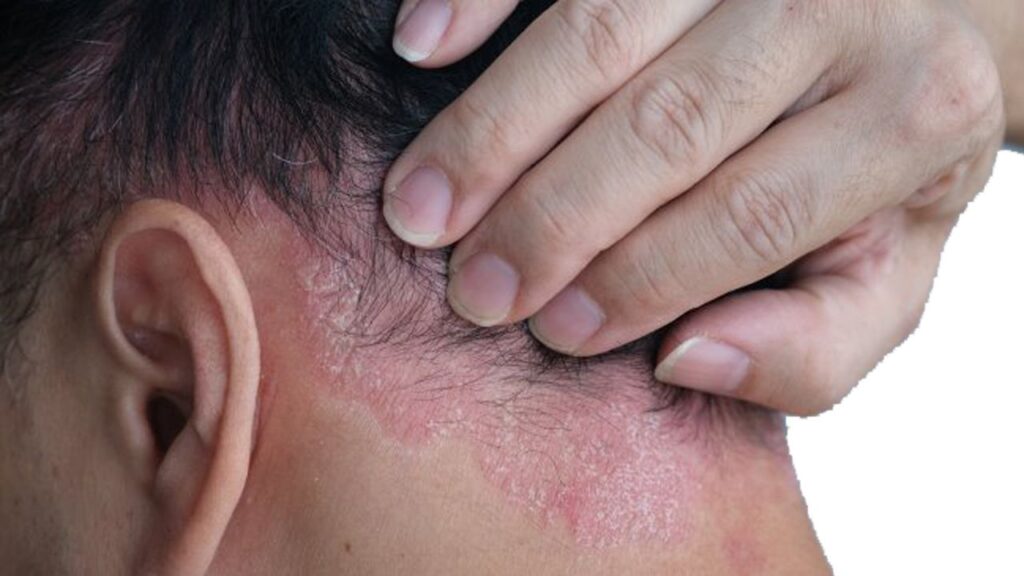
Seborrheic dermatitis is a common, chronic inflammatory skin condition that affects areas rich in oil (sebaceous) glands. It causes redness, greasy scales, and dandruff, most commonly on the scalp, face, and upper chest. The condition is not contagious and often occurs in cycles of flare-ups and improvement.
Common Symptoms

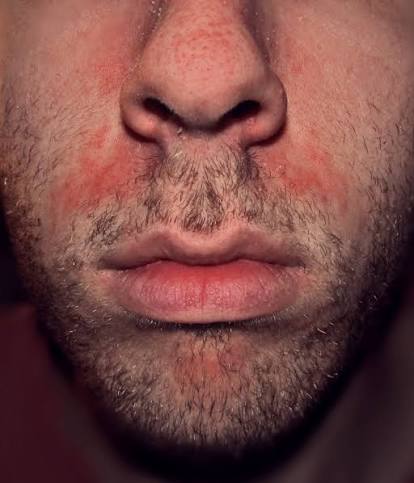
* Red, inflamed skin
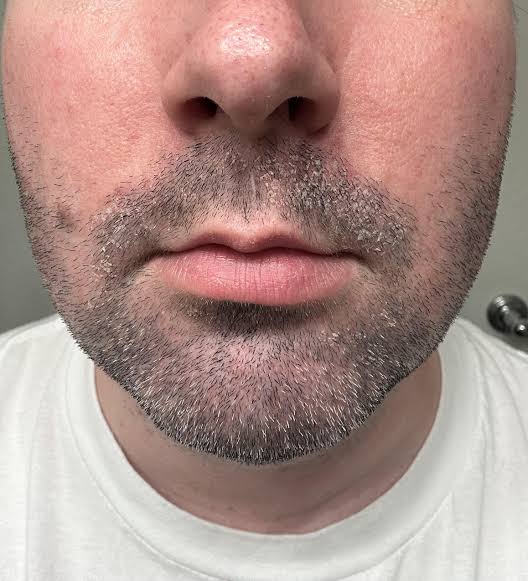
* Greasy, yellowish or white scales
* Dandruff on the scalp
* Itching or burning sensation
* Flaky skin around the eyebrows, nose, ears, beard, or chest
* Cradle cap in infants

Commonly Affected Areas

* Scalp
* Eyebrows
* Sides of the nose
* Eyelids
* Behind the ears
* Beard and moustache area
* Chest and upper back

Common Causes & Risk Factors

* Overgrowth of Malassezia yeast on the skin
* Excess oil (sebum) production
* Family history
* Stress
* Cold and dry weather
* Neurological conditions (such as Parkinson’s disease)
* Weakened immune system

Diagnosis

Seborrheic dermatitis is usually diagnosed through a clinical skin examination by a dermatologist. Additional tests may be recommended if another skin condition is suspected.

Prevention

* Wash the scalp regularly with appropriate shampoos.
* Cleanse the face with a gentle cleanser.
* Manage stress whenever possible.
* Avoid harsh skincare and hair products.
* Maintain a regular skincare routine.

When to See a Dermatologist

Consult a dermatologist if dandruff is severe, the rash spreads beyond the scalp, symptoms persist despite routine care, or the skin becomes painful, swollen, or infected.

Note: Seborrheic dermatitis is a chronic but manageable condition. Regular skincare and appropriate treatment can help control symptoms and reduce flare-ups.

Is seborrheic dermatitis caused by poor hygiene?
No. It is not caused by poor hygiene. The condition is triggered by an inflammatory response to a natural yeast (Malassezia) found on everyone’s skin, combined with excess oil production and external factors like stress or cold weather.
Can seborrheic dermatitis spread to other people?
No. It is completely non-contagious and cannot be transmitted to anyone else through physical contact, sharing hats, or using the same hairbrushes.
When should you see a dermatologist?
Consult a professional if your dandruff is severe, the rash spreads from your scalp to your face or body, your symptoms do not improve with over-the-counter care, or if the skin becomes painful, swollen, or actively infected.