Types of Pemphigoid
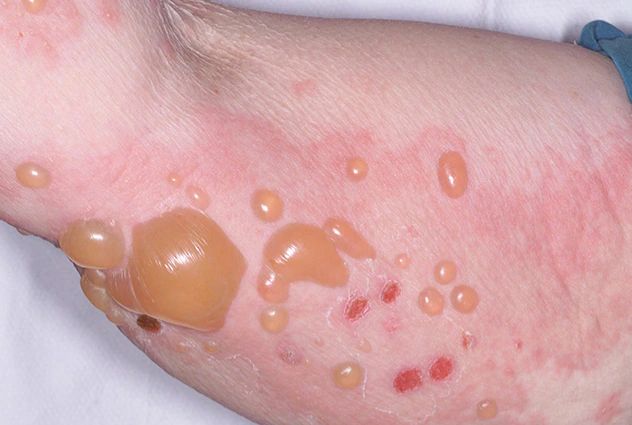
Bullous Pemphigoid
The most common type, usually affecting older adults. It causes large, tense blisters on normal or red, itchy skin.
Mucous Membrane Pemphigoid
Primarily affects the mucous membranes, including the mouth, eyes, nose, throat, and genital area. Scarring may occur in some cases.
Pemphigoid Gestationis
A rare autoimmune blistering disorder that occurs during pregnancy or shortly after delivery.
Common Symptoms
* Large, tense blisters
* Severe itching
* Red or inflamed skin
* Painful erosions after blisters rupture
* Mouth sores or eye irritation in some types
* Healing may leave temporary skin discoloration
Commonly Affected Areas
* Arms and legs
* Abdomen
* Groin
* Armpits
* Lower abdomen
* Mouth, eyes, nose, or genital area (in mucous membrane pemphigoid)
Causes and Risk Factors
* Autoimmune disease
* Older age
* Certain medications
* Neurological disorders (associated with bullous pemphigoid)
* Pregnancy (pemphigoid gestationis)
Diagnosis
Diagnosis is based on:
* Medical history
* Physical examination
* Skin biopsy
* Direct immunofluorescence (DIF)
* Blood tests for specific autoantibodies
When Should You See a Dermatologist?
Consult a dermatologist if:
* You develop unexplained blisters.
* The blisters are widespread or painful.
* You have persistent mouth or eye sores.
* Blisters recur or do not heal.
* You experience vision changes or severe eye irritation.
Important Facts
* Pemphigoid is not contagious.
* It is an autoimmune condition that most commonly affects older adults.
* Early diagnosis is important to reduce complications, especially when the eyes or other mucous membranes are involved.
* Regular follow-up with a dermatologist is essential for ongoing care.