Skip to content

Freckles

Contact Us Today!

Acne scar treatment reduce appearance of marks left behind by breakouts.

Contact Us Today!

What are Freckles?

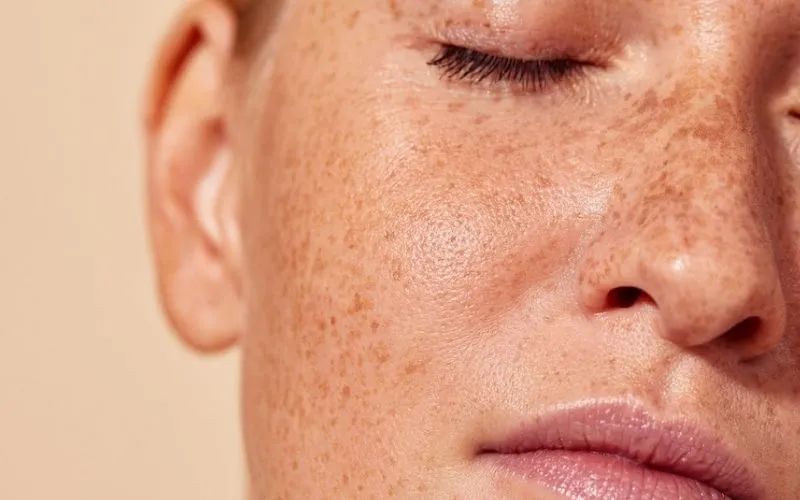
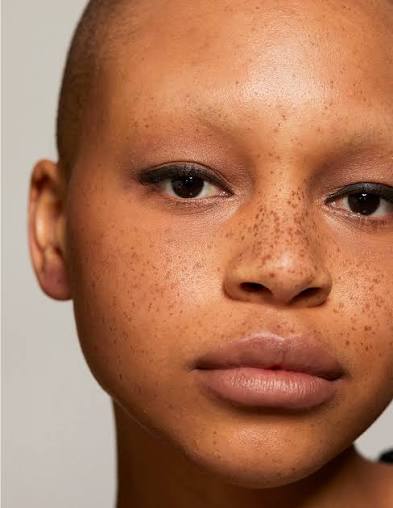
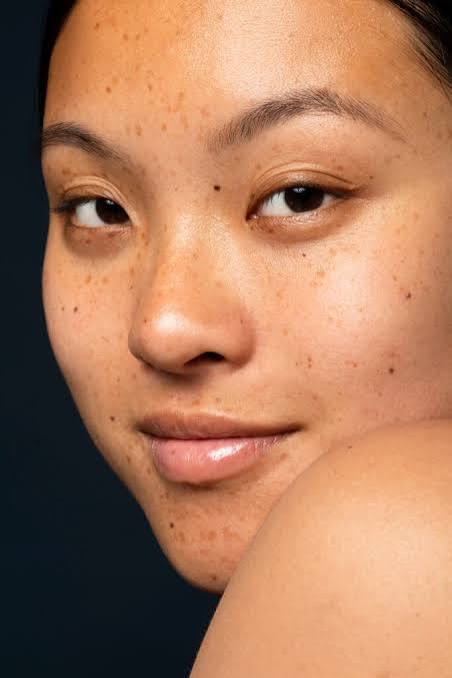
Freckles are small, flat, light brown to dark brown spots that appear on the skin due to increased melanin production. They are harmless, non-cancerous, and commonly develop on sun-exposed areas such as the face, shoulders, arms, and upper back. Freckles are more common in people with fair skin but can occur in all skin types.
Common Symptoms

Small, flat brown or tan spots Round or irregular in shape Usually 1–5 mm in size Most commonly appear on the face, nose, cheeks, shoulders, and arms Become darker after sun exposure and may fade during winter No pain, itching, or scaling

Types of Freckles

Ephelides (True Freckles): Common freckles that appear during childhood, become darker with sun exposure, and often fade during winter. Solar Lentigines (Sun Spots / Age Spots): Larger, darker spots caused by long-term sun exposure, usually seen in adults.

Common Causes & Risk Factors

Genetic predisposition Sun (UV) exposure Fair skin and light-colored hair Repeated outdoor exposure without sun protection

Diagnosis

Freckles are usually diagnosed through a clinical examination by a dermatologist.

Are Freckles Contagious?
No. Freckles are completely harmless and non-contagious skin marks caused by melanin production, meaning they cannot spread from person to person.
Can Freckles Be Prevented or Treated?
Yes. While they are harmless, wearing broad-spectrum sun protection helps prevent them from darkening or increasing in number. Dermatological treatments can also help reduce or fade their appearance safely.
When Should You See a Dermatologist?
Freckles are generally safe, but you should consult a dermatologist if you notice any spots that change shape, size, or color, grow rapidly, bleed, or become asymmetrical to rule out more serious skin conditions.