Common Symptoms
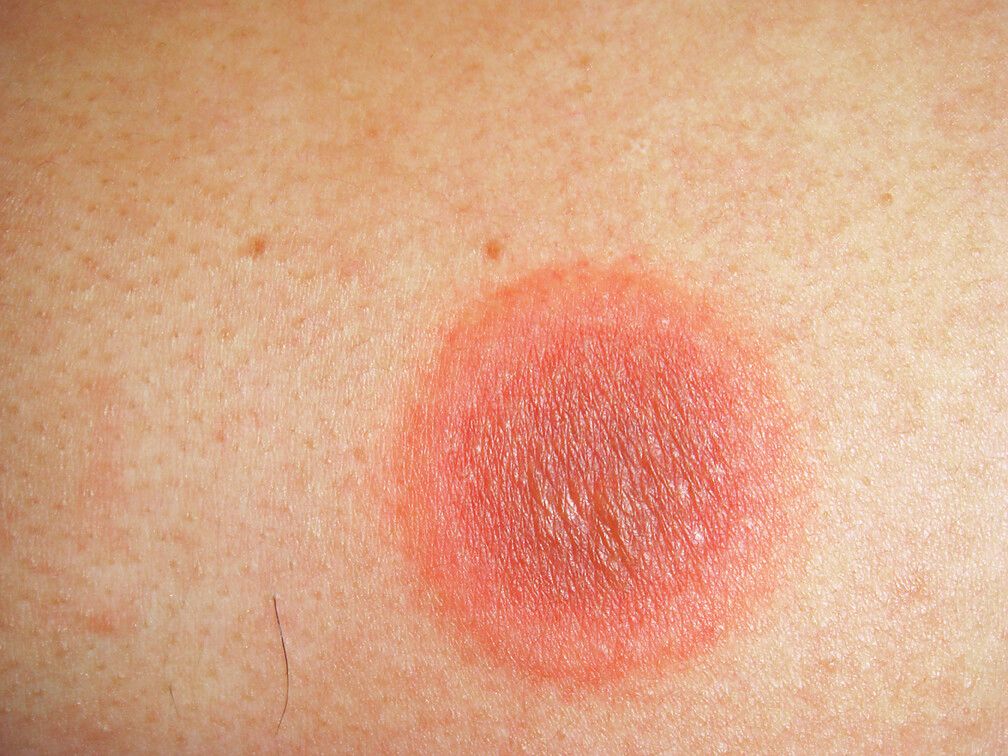
* Red skin rash
* Itching
* Hives (urticaria)
* Red spots or patches
* Swelling of the face, lips, or eyelids
* Blisters or peeling skin
* Fever associated with a rash
* Mouth sores or ulcers
Common Causes
Drug reactions may occur after taking:
* Antibiotics
* Pain relievers (NSAIDs)
* Anti-seizure medications
* Gout medications
* Certain blood pressure medications
* Other prescription, over-the-counter, or herbal medicines
Types of Drug Reactions
* Morbilliform (measles-like) drug eruption
* Urticaria (hives)
* Fixed drug eruption
* Photosensitive drug reaction
* Drug-induced pigmentation
* Severe cutaneous adverse reactions (SCAR), including:
* Stevens-Johnson Syndrome (SJS)
* Toxic Epidermal Necrolysis (TEN)
* Drug Reaction with Eosinophilia and Systemic Symptoms (DRESS)
* Acute Generalized Exanthematous Pustulosis (AGEP)
When Should You See a Dermatologist?
Consult a dermatologist if:
* A rash develops after starting a new medication.
* The rash is widespread, itchy, or persistent.
* You develop blisters, skin peeling, or painful sores.
* The rash is associated with fever or swollen lymph nodes.
* There is swelling of the face or difficulty breathing, which requires immediate emergency medical attention.
Diagnosis
Diagnosis is based on:
* Detailed medical and medication history
* Physical examination
* Review of recently started medications
* Laboratory tests or skin biopsy when required
Important Facts
* Drug reactions can occur days or even weeks after starting a medication.
* Not every rash is caused by a drug, so proper evaluation is essential.
* Some drug reactions are mild, while others can be life-threatening.
* Never restart a medication that previously caused a severe allergic or skin reaction without medical advice.