Skip to content

Psoriasis

Contact Us Today!

Acne scar treatment reduce appearance of marks left behind by breakouts.

Contact Us Today!

Psoriasis is a chronic, long-term skin condition that causes skin cells to grow much faster than normal. This rapid cell buildup leads to thick, red, raised patches covered with distinctive silvery-white scales. It is completely non-contagious and often occurs in cycles, with flare-ups followed by periods of improvement.

It is an autoimmune condition where the body’s immune system accidentally speeds up the lifecycle of skin cells.
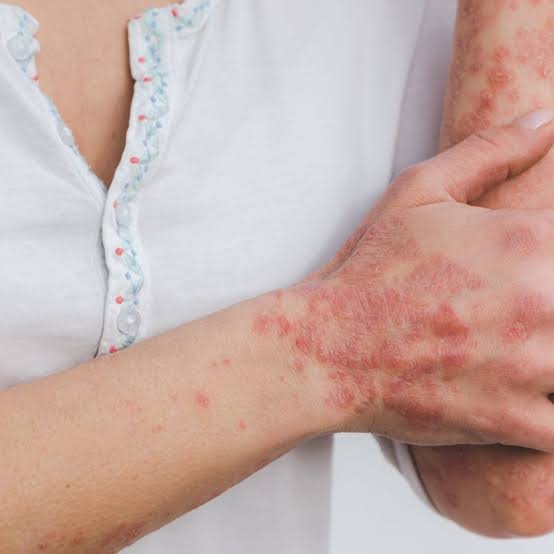
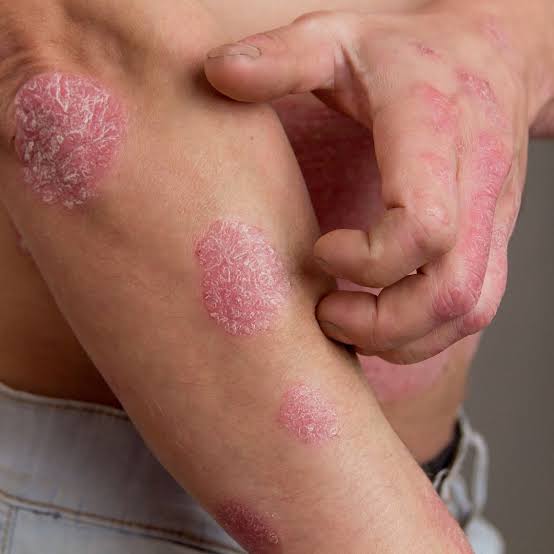
Common Symptoms & Affected Areas

Red, raised patches of skin covered with thick, silvery scales Dry, cracked skin that may itch, burn, or bleed Thickened, pitted, or discolored nails Joint pain, stiffness, or swelling in some cases Commonly affected areas include the scalp, elbows, knees, lower back, hands, and feet.

Common Triggers for Flare-ups

Emotional or physical stress Skin injuries such as cuts, scrapes, or severe sunburns Infections like strep throat or skin infections Cold, dry weather conditions Certain medications and heavy smoking or alcohol consumption

Our Management Approach

Detailed clinical evaluation to assess the severity of psoriasis Targeted topical treatments, including specialized ointments and gels Systemic medical therapies for moderate to severe cases Personalized lifestyle modifications to avoid known triggers Long-term monitoring to maintain clear skin and prevent joint complications

Is Psoriasis dangerous, and can it affect things other than my skin?
While mild psoriasis is mainly a skin issue, moderate to severe psoriasis can cause systemic inflammation. Around 30% of people with psoriasis may develop Psoriatic Arthritis, which causes joint pain and stiffness. Proper early treatment helps prevent these joint complications.
How is Psoriasis different from Eczema?
Though both cause red, itchy skin, they look different under a clinical eye. Psoriasis creates thick, well-defined red patches covered with silvery scales, typically on the elbows and knees. Eczema usually appears as intense, dry, poorly-defined rashes, often in the bends of the elbows or knees.
Can changing my diet help clear my Psoriasis?
While diet alone cannot cure psoriasis, eating an anti-inflammatory diet rich in omega-3 fatty acids, fruits, and vegetables can help manage overall inflammation. Identifying and avoiding personal food triggers alongside medical treatment often yields the best results.