
Urticaria, commonly known as hives, is a skin condition characterized by the sudden appearance of raised, itchy, red or skin-colored welts (wheals). These welts can vary in size, appear anywhere on the body, and usually disappear within 24 hours without leaving marks. The condition may be acute (lasting less than 6 weeks) or chronic (lasting more than 6 weeks).
Explore our services
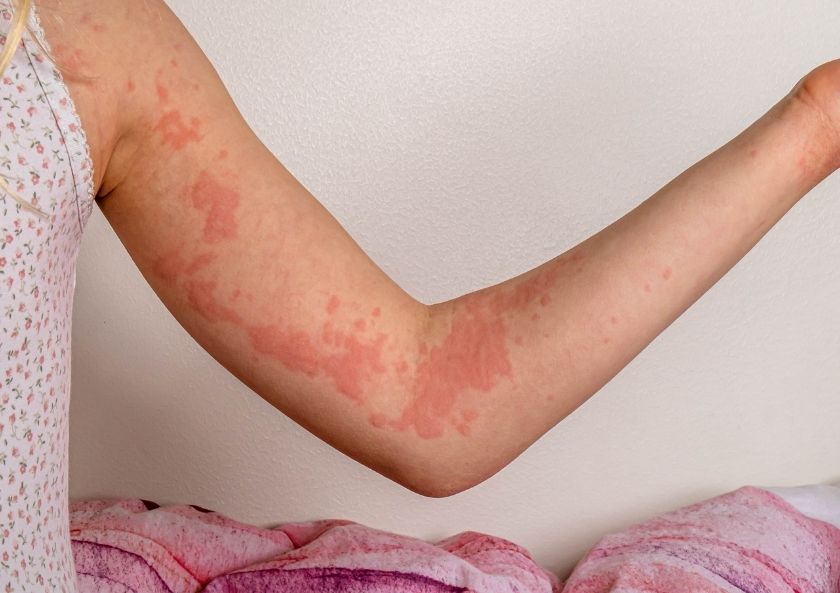
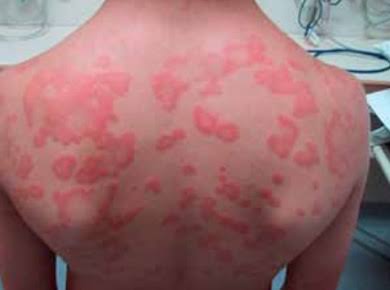
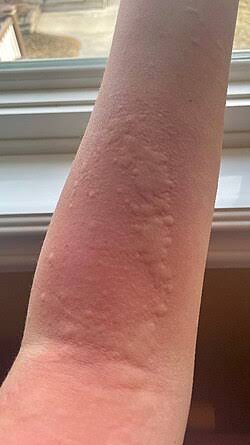
Common Symptoms
Sudden raised, itchy welts (hives) Red or skin-colored swelling Lesions that change size and location Burning or stinging sensation in some cases Swelling of the lips, eyelids, hands, or feet (angioedema) may occur
Types of Urticaria
Acute Urticaria: Lasts less than 6 weeks and is often triggered by infections, foods, medications, or insect bites. Chronic Spontaneous Urticaria: Persists for more than 6 weeks without an obvious trigger. Physical (Inducible) Urticaria: Triggered by physical factors such as pressure, cold, heat, sunlight, exercise, vibration, or water. Angioedema: Deeper swelling that commonly affects the face, lips, tongue, eyelids, hands, or feet and may occur with or without hives.
Common Triggers
Viral or bacterial infections Certain foods (such as nuts, eggs, seafood, or milk) Medications Insect bites or stings Heat, cold, sunlight, or pressure Stress and exercise Note: In many cases, no specific trigger is identified.
Diagnosis
A dermatologist diagnoses urticaria based on your medical history, symptoms, and physical examination. Additional tests may be recommended in selected cases, particularly for chronic or recurrent hives.
Prevention
Identify and avoid known triggers whenever possible. Avoid unnecessary use of medications that have previously caused reactions. Wear loose-fitting clothing if pressure triggers symptoms. Keep a symptom diary to help identify possible triggers. Seek medical advice if hives are frequent or recurrent.
Is Urticaria Contagious?
No. Urticaria (hives) is completely non-contagious and cannot be passed from one person to another through touch or close contact.
Can Urticaria Be Cured?
Most cases of acute urticaria resolve completely with proper management. Chronic urticaria cannot always be permanently cured, but it can be highly effectively controlled and managed with appropriate medical treatments to minimize or eliminate symptoms.
When to See a Dermatologist?
Consult a dermatologist if hives are severe, recur frequently, last for more than six weeks, or are associated with significant swelling. Seek emergency medical care immediately if swelling affects the tongue or throat, or if there is difficulty breathing or swallowing.