
Warts are common, non-cancerous skin growths caused by the Human Papillomavirus (HPV). They develop when the virus enters the skin through tiny cuts or breaks, causing rapid growth of the outer layer of the skin. Warts can affect people of all ages but are more common in children, teenagers, and individuals with weakened immune systems.
Explore our services
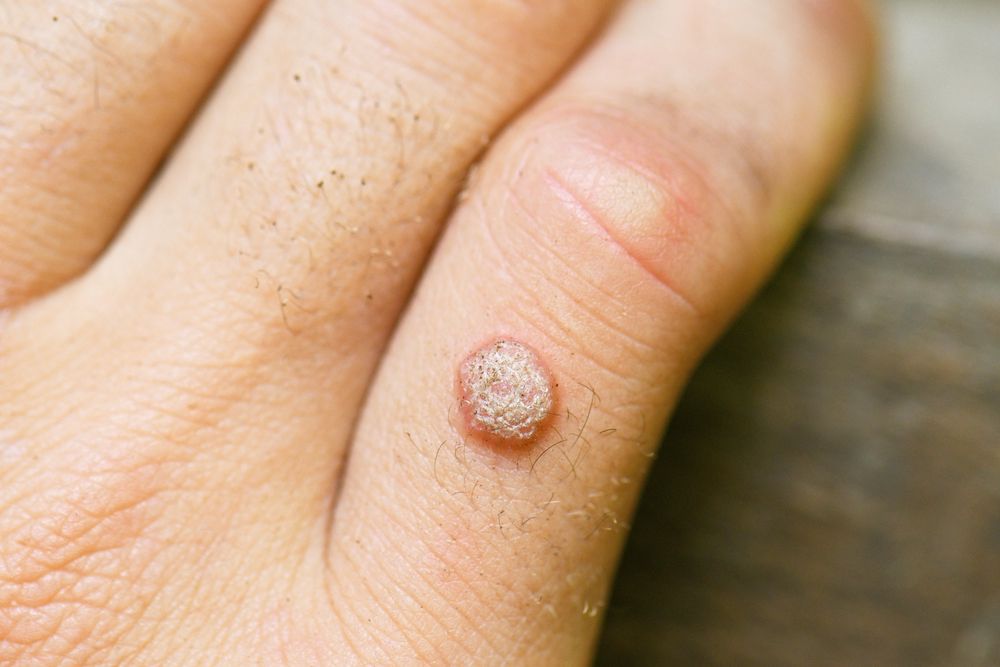
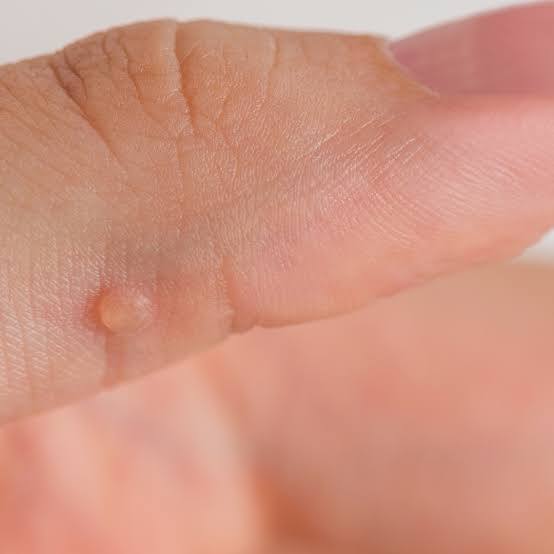
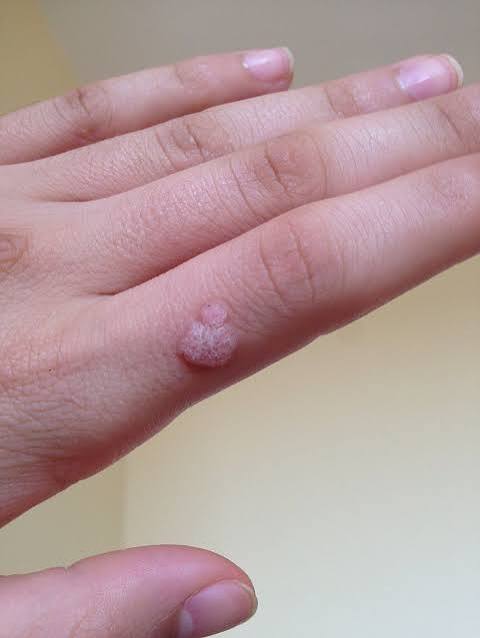
Types of Warts
-
Common Warts (Verruca Vulgaris): Rough, raised bumps with a hard surface. Commonly found on the fingers, hands, knees, and elbows.
-
Plantar Warts (Verruca Plantaris): Develop on the soles of the feet. May be painful while walking or standing. Often appear flat due to pressure from body weight.
-
Flat Warts (Verruca Plana): Small, smooth, flat-topped bumps. Usually appear on the face, neck, hands, or legs. Often occur in large numbers.
-
Filiform Warts: Long, narrow, finger-like growths. Commonly occur around the eyes, nose, lips, and beard area.
-
Periungual Warts: Grow around or underneath the fingernails and toenails. May interfere with nail growth if left untreated.
-
Genital Warts: Caused by certain types of HPV. Appear on or around the genital and anal areas. Require medical evaluation and treatment.
Common Symptoms
Small, rough skin growths Flesh-colored, white, pink, or brown bumps Black pinpoints (tiny clotted blood vessels) inside the wart Pain when walking (plantar warts) Usually painless, but may become irritated depending on the location
Commonly Affected Areas
Hands and fingers Feet and soles Face Knes and elbows Around the nails Genital area (genital warts)
Causes
Warts are caused by infection with the Human Papillomavirus (HPV). The virus enters the skin through small cuts or abrasions and causes excessive growth of the outer skin layer.
Risk Factors
Children and teenagers Weakened immune system Nail biting or picking Walking barefoot in public swimming pools or locker rooms Direct contact with infected skin or contaminated surfaces
Are Warts Contagious?
Yes. Warts can spread through direct skin-to-skin contact or by sharing personal items such as towels, razors, or footwear. Scratching or picking at a wart may also spread the virus to other areas of the body.
Can Warts Be Treated?
Yes. Many warts disappear on their own over time, while others may require medical treatment, especially if they are painful, spreading, recurrent, or cosmetically concerning.
When Should You See a Dermatologist?
Consult a dermatologist if the wart is painful or bleeding, it is increasing in size or number, it keeps coming back after treatment, it is located on the face or genital area, you have diabetes or a weakened immune system, or you are unsure whether the skin growth is a wart. Early diagnosis and appropriate treatment can help remove warts safely and reduce the risk of recurrence.