Skip to content

Bacterial Skin Infections

Contact Us Today!

Acne scar treatment reduce appearance of marks left behind by breakouts.

Contact Us Today!

What are Bacterial Skin Infections?

Bacterial skin infections are caused by bacteria entering the skin through cuts, scratches, insect bites, or damaged skin. They can affect people of all ages and range from mild infections to more serious conditions requiring prompt medical care.

Types of Bacterial Skin Infections

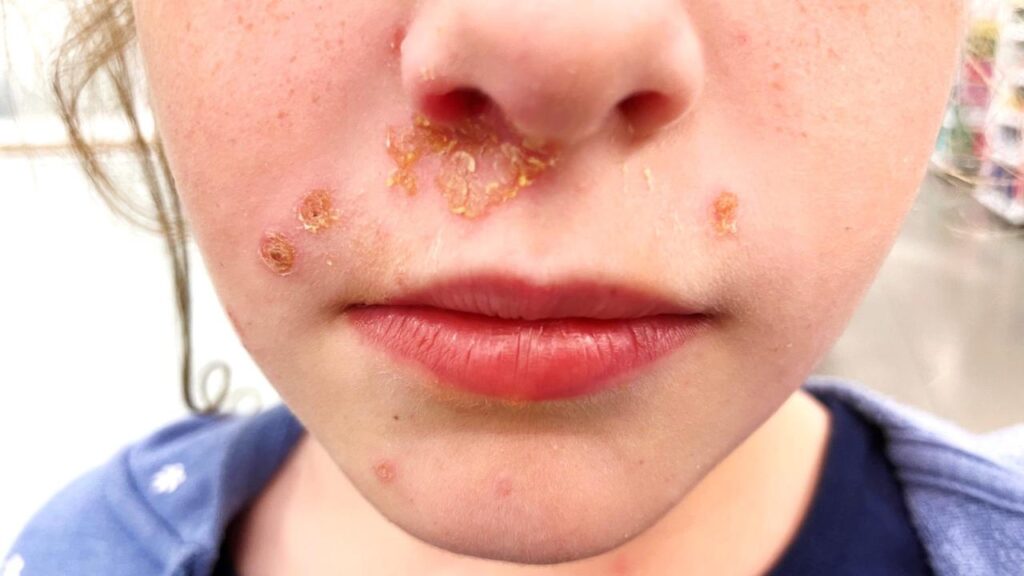
  1. Impetigo: A highly contagious superficial skin infection, commonly seen in children. It causes red sores that burst and form honey-colored crusts, usually around the nose and mouth.

  2. Cellulitis: A deeper bacterial infection affecting the skin and underlying tissues. It causes redness, swelling, warmth, pain, and may be accompanied by fever.

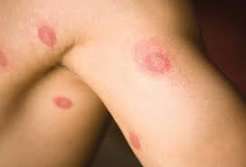
  3. Erysipelas: A superficial bacterial skin infection with well-defined, raised, bright red areas, most commonly affecting the face or legs.

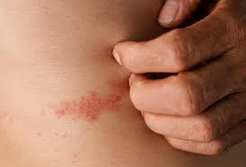
  4. Folliculitis: An infection or inflammation of hair follicles causing small red or pus-filled bumps, often on the scalp, beard area, chest, back, or thighs.

  5. Furuncle (Boil): A painful, pus-filled lump caused by infection of a hair follicle and surrounding tissue.

  6. Carbuncle: A cluster of interconnected boils that forms a deeper skin infection and may cause fever and general illness.

Common Symptoms

Redness Swelling Pain or tenderness Warm skin Pus or discharge Crusting Fever (in severe infections)

Commonly Affected Areas

Face Arms and legs Hands and feet Scalp Neck Armpits Groin Buttocks

Causes

Bacterial skin infections are most commonly caused by bacteria such as Staphylococcus aureus and Streptococcus species. These bacteria can enter the skin through cuts, wounds, insect bites, eczema, or other breaks in the skin.

Risk Factors

Cuts or wounds Poor hygiene Diabetes Eczema or other skin diseases Weakened immune system Obesity Close skin-to-skin contact

Are Bacterial Skin Infections Contagious?
Some bacterial skin infections, such as impetigo, are contagious and can spread through direct contact or by sharing personal items. Others, like cellulitis, are generally not spread from person to person.
Can Bacterial Skin Infections Be Treated?
Yes. Most bacterial skin infections respond well to appropriate medical treatment. Early diagnosis and treatment help prevent the infection from spreading and reduce the risk of complications.
When Should You See a Dermatologist?
Consult a dermatologist if redness or swelling is rapidly increasing, the affected area becomes very painful, you develop fever or chills, there is significant pus or drainage, the infection keeps recurring, or you have diabetes or a weakened immune system. Early diagnosis and proper treatment can help prevent complications and promote faster healing.