Skip to content

Eczema (Atopic Dermatitis)

Contact Us Today!

Acne scar treatment reduce appearance of marks left behind by breakouts.

Contact Us Today!

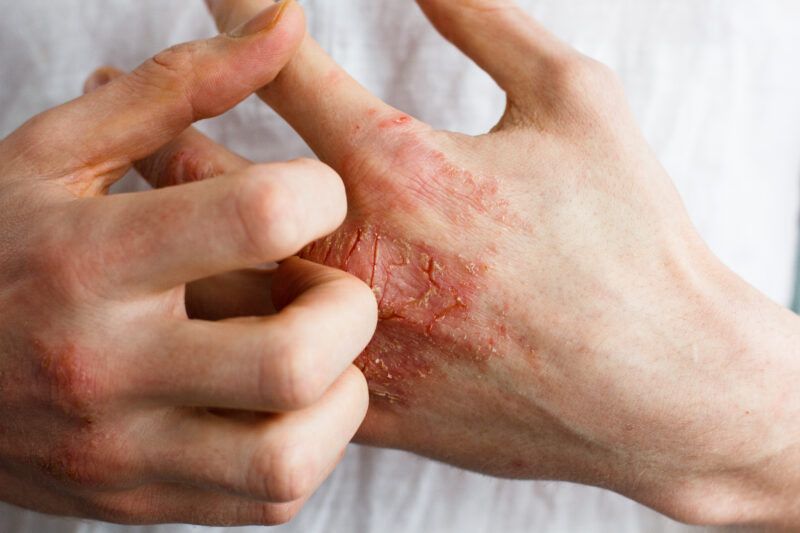
Eczema, also known as Atopic Dermatitis, is a common, long-term skin condition that causes the skin to become dry, itchy, red, and inflamed. It is not contagious, meaning it cannot spread from one person to another. Eczema can affect people of all ages but is most common in infants and children.

It results from a combination of genetic factors, an overactive immune response, and a weakened skin barrier.
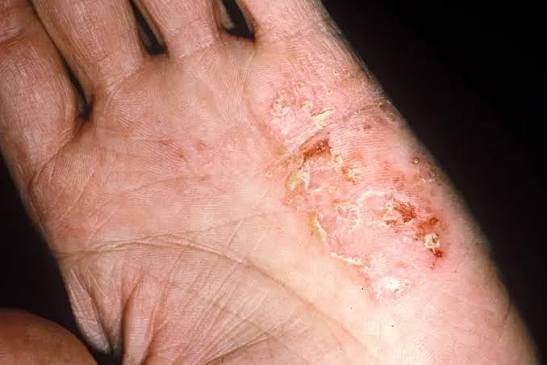
Common Symptoms & Affected Areas

Dry, rough, and sensitive skin with persistent itching Red or inflamed patches on the skin Thickened, leathery, or cracked skin Small bumps that may ooze or crust during flare-ups Commonly affected areas include the face, neck, hands, elbows, behind the knees, wrists, ankles, and feet.

Common Triggers to Avoid

Harsh soaps, detergents, and perfumes Dust, pollen, and pet dander Heat, sweating, and sudden temperature shifts Cold, dry winter air Stress and emotional tension Rough fabrics like wool

Our Management Approach

Personalized consultation to identify specific triggers Prescription of specialized moisturizing creams and ointments Topical medical treatments to reduce inflammation and itching Expert guidance on daily skincare routines for sensitive skin Long-term management plans to minimize and control future flare-ups

Is Eczema contagious or can it spread to other parts of my body?
No, Eczema is entirely non-contagious. It cannot be passed from one person to another through touch, skin contact, or shared items. While it can appear on multiple parts of your body, it does so because of your internal skin barrier condition, not because it is spreading like an infection.
Can Eczema be permanently cured?
Currently, there is no permanent cure for Eczema, but it can be highly controlled. With proper dermatological care, targeted topical treatments, and the identification of personal triggers, most patients successfully minimize symptoms and live virtually flare-up free.
When should I consult a dermatologist for my dry skin?
You should see a dermatologist if the itching becomes severe enough to disrupt your sleep or daily activities, if the rash begins to look infected with oozing or crusting, or if standard over-the-counter moisturizers fail to provide any relief.