Common Causes
Xeroderma Pigmentosum is caused by mutations in genes responsible for repairing DNA damaged by ultraviolet (UV) light. As a result, even small amounts of sun exposure can cause significant damage to the skin and eyes.
Symptoms
* Severe sensitivity to sunlight
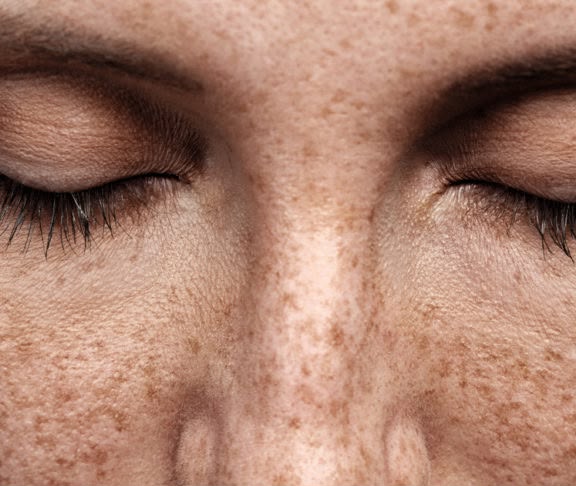
* Freckles appearing at an early age, especially before 2 years of age
* Dark or light patches on sun-exposed skin
* Dry, rough, or thin skin
* Easy sunburn after minimal sun exposure
* Premature skin aging
* Eye irritation, redness, or sensitivity to light
* Development of skin cancers at a young age if not adequately protected
Commonly Affected Areas
* Face
* Neck
* Scalp
* Ears
* Arms
* Hands
* Lips
* Eyes
Who is at Risk?
* Children born to parents who both carry the abnormal gene
* Individuals with a family history of Xeroderma Pigmentosum
* Communities where marriages between relatives (consanguineous marriages) are more common
Diagnosis
Diagnosis is based on clinical examination, family history, and specialized laboratory tests. Genetic testing can confirm the diagnosis by identifying the responsible gene mutation. A skin biopsy may occasionally be required in selected cases.
Prevention
Although XP cannot be prevented, complications can be reduced by:
* Avoiding direct sunlight as much as possible
* Wearing protective clothing, wide-brimmed hats, and UV-blocking sunglasses
* Applying broad-spectrum sunscreen (SPF 50+)
* Regular skin examinations
* Routine follow-up with a dermatologist and ophthalmologist
When to See a Dermatologist
Consult a dermatologist if a child develops severe sun sensitivity, early freckling, unusual skin pigmentation, or repeated sunburns after minimal sun exposure. Individuals with XP require lifelong skin surveillance to detect and manage skin changes at an early stage.