Common Symptoms
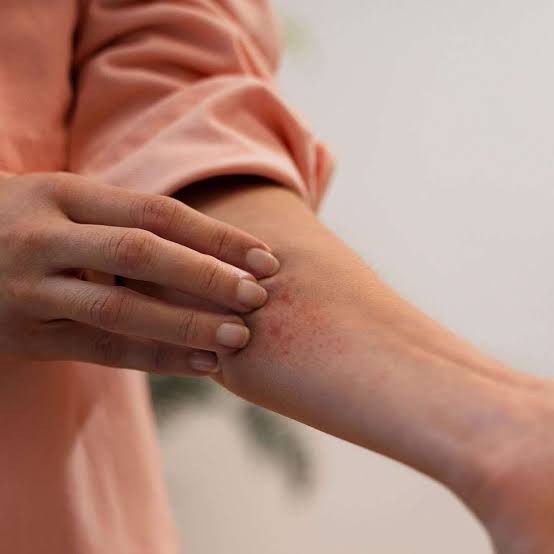
* Itching (often severe)
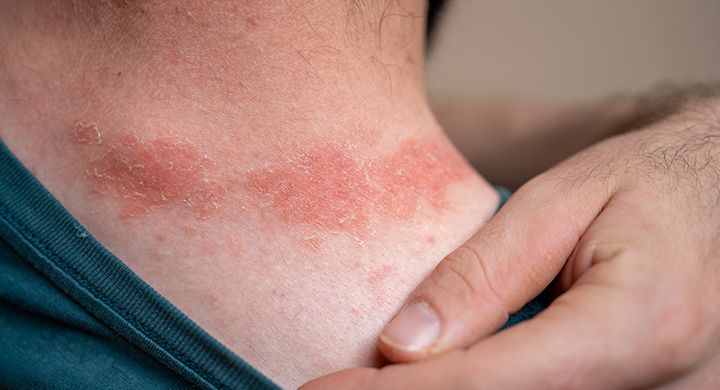
* Redness and skin rash
* Raised bumps or hives
* Dry, scaly, or flaky skin
* Swelling of the affected area
* Burning or stinging sensation
* Blisters or oozing in some cases
Common Types of Skin Allergies
* Allergic Contact Dermatitis: Caused by direct contact with allergens such as nickel, fragrances, cosmetics, or plants.
* Atopic Dermatitis (Eczema): A chronic inflammatory skin condition associated with allergies and sensitive skin.
* Urticaria (Hives): Sudden, itchy, raised welts that may appear anywhere on the body.
* Angioedema: Deeper swelling of the skin, often affecting the lips, eyelids, face, or hands.
Common Triggers
* Cosmetics and skincare products
* Soaps and detergents
* Metals (such as nickel)
* Certain foods
* Medications
* Insect bites or stings
* Pollen, dust mites, and pet dander
* Latex and certain fabrics
Diagnosis
A dermatologist diagnoses skin allergies through a detailed medical history and skin examination. In selected cases, allergy testing or patch testing may be recommended to identify the specific trigger.
Prevention
* Avoid known allergens whenever possible.
* Use fragrance-free and gentle skincare products.
* Moisturize regularly to maintain the skin barrier.
* Wear protective gloves when handling irritants.
* Keep a record of substances that trigger allergic reactions.
When to See a Dermatologist
Consult a dermatologist if your rash is severe, recurrent, persistent, spreading, or associated with swelling, pain, or signs of infection. Seek emergency medical care immediately if you experience swelling of the tongue or throat, difficulty breathing, or difficulty swallowing.
Note: Skin allergies are common and often manageable. Identifying and avoiding the triggering allergen is an important step in preventing future flare-ups.