Pediatric Skin Diseases
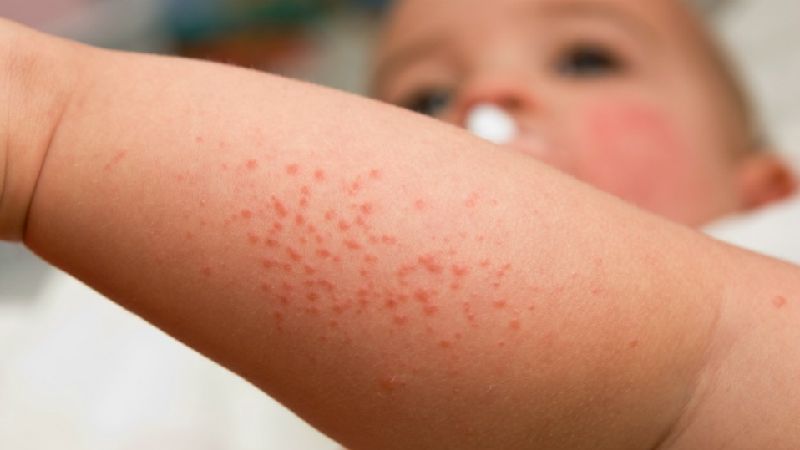
Children commonly develop a variety of skin conditions, ranging from harmless rashes to infections and inflammatory disorders. Most are treatable, especially when diagnosed early by a dermatologist.
Pediatric Skin Diseases
Children commonly develop a variety of skin conditions, ranging from harmless rashes to infections and inflammatory disorders. Most are treatable, especially when diagnosed early by a dermatologist.
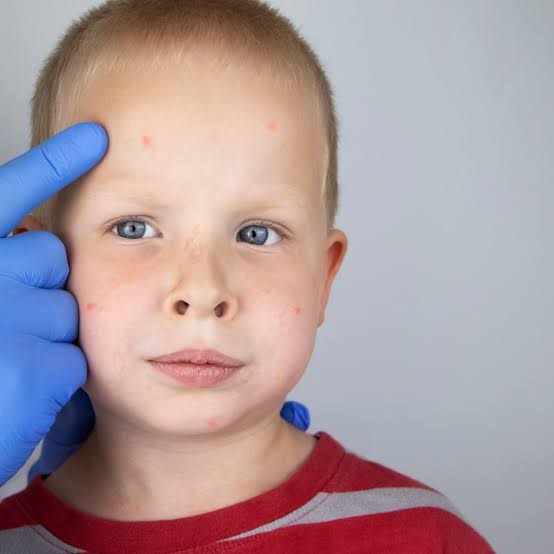
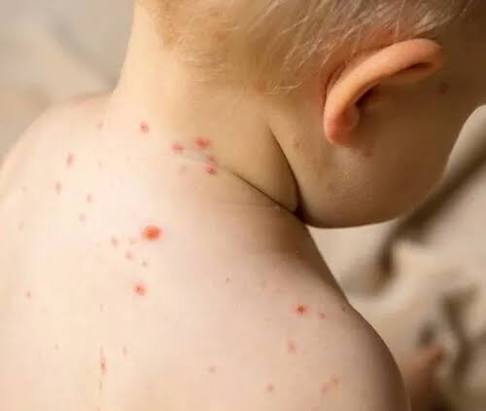
Common Pediatric Skin Conditions
Eczema (Atopic Dermatitis)
A chronic skin condition that causes dry, itchy, red, and inflamed skin. It commonly affects the face, hands, elbows, and knees and often begins during infancy or early childhood.
Diaper Rash
A common irritation in babies caused by prolonged exposure to moisture, friction, or yeast overgrowth. It appears as redness and soreness in the diaper area.
Cradle Cap (Infantile Seborrheic Dermatitis)
A harmless condition that causes greasy, yellowish scales on a baby’s scalp. It usually improves with gentle scalp care.
Impetigo
A contagious bacterial skin infection that causes red sores, blisters, and honey-colored crusts, most commonly around the nose and mouth.
Molluscum Contagiosum
A viral skin infection that produces small, smooth, pearly bumps with a central dimple. It is common in children and spreads through direct skin contact.
Warts
Benign skin growths caused by the human papillomavirus (HPV). They commonly appear on the hands, feet, and fingers.
Hand, Foot and Mouth Disease
A viral illness that causes fever, mouth ulcers, and a rash with small blisters on the hands, feet, and sometimes the buttocks.
Scabies
A highly contagious skin infestation caused by microscopic mites, leading to intense itching and a widespread rash, especially at night.
Fungal Skin Infections
Ringworm and other fungal infections can affect the scalp, body, feet, or nails, causing itchy, circular, or scaly patches.
Birthmarks
Birthmarks are common and may be present at birth or develop shortly afterward. Most are harmless, but some require monitoring or treatment.
Common Symptoms
* Red or itchy rash
* Dry or scaly skin
* Blisters or bumps
* Crusting or oozing lesions
* Skin discoloration
* Persistent itching
* Hair or scalp changes
When Should You See a Dermatologist?
Consult a dermatologist if your child has:
* A rash that does not improve or keeps recurring
* Severe itching or pain
* Fever along with a skin rash
* Blisters, pus, or signs of infection
* Rapidly spreading skin lesions
* A changing birthmark or unusual skin growth
Prevention
* Maintain good skin hygiene.
* Keep your child’s skin clean and moisturized.
* Avoid sharing personal items such as towels or combs.
* Encourage regular hand washing.
* Keep nails trimmed to reduce scratching.
* Seek medical advice early if a rash persists or worsens.
Treatment
Treatment depends on the underlying condition and may include skin care advice, prescription creams, oral medications, or minor procedures when needed. Early diagnosis and appropriate management help prevent complications and improve your child’s comfort and skin health.