Common Symptoms
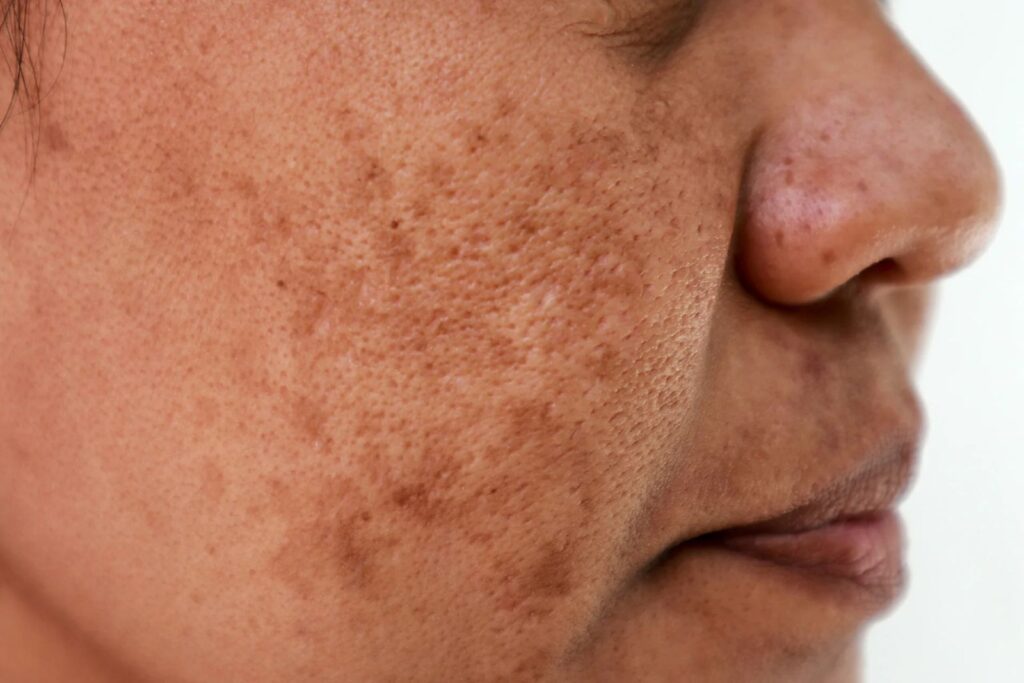
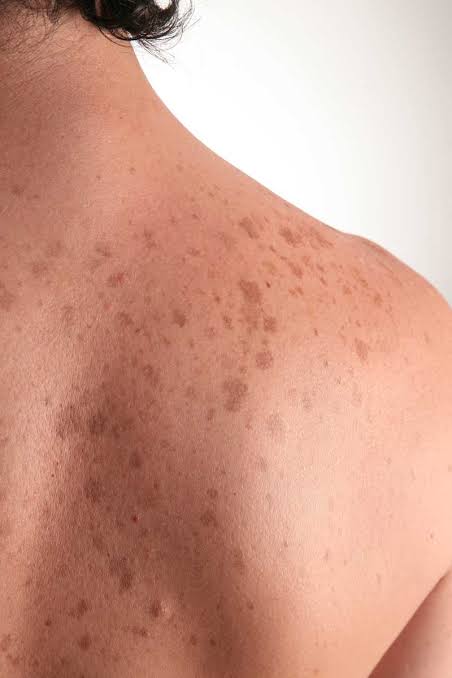
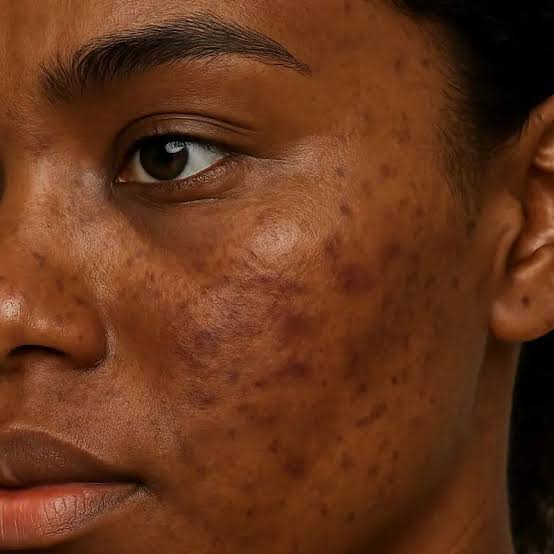
* Flat patches of brown, dark brown, gray, or black discoloration
* Uneven skin tone
* Single or multiple dark spots
* Commonly affects the face, neck, hands, arms, and other sun-exposed areas
* Usually painless and non-itchy
Common Types
* Post-Inflammatory Hyperpigmentation (PIH): Dark spots that develop after acne, eczema, burns, or skin injury.
* Melasma: Symmetrical brown patches, usually on the face, often related to hormones and sun exposure.
* Sunspots (Solar Lentigines): Dark spots caused by long-term sun exposure, commonly seen with aging.
Common Causes & Risk Factors
* Sun exposure
* Acne and acne scars
* Skin inflammation or injury
* Hormonal changes
* Certain medications
* Genetic predisposition
* Aging
Diagnosis
Hyperpigmentation is usually diagnosed through a clinical skin examination by a dermatologist. In some cases, a Wood’s lamp examination or dermoscopy may be used to determine the depth and cause of pigmentation.
Prevention
* Apply a broad-spectrum sunscreen (SPF 30 or higher) every day.
* Limit excessive sun exposure.
* Avoid picking or squeezing acne and skin lesions.
* Follow a gentle skincare routine.
* Seek early treatment for inflammatory skin conditions.
When to See a Dermatologist
Consult a dermatologist if dark patches appear suddenly, continue to spread, change in appearance, or do not improve over time. A professional evaluation can help identify the underlying cause and recommend the most appropriate treatment.
Note: Hyperpigmentation is a common and treatable condition. Early diagnosis and consistent sun protection can help improve skin tone and prevent further pigmentation.