Skip to content

Herpes Simplex

Contact Us Today!

Acne scar treatment reduce appearance of marks left behind by breakouts.

Contact Us Today!

Herpes Simplex is a common viral infection caused by the Herpes Simplex Virus (HSV). It causes painful blisters or sores on the skin and mucous membranes. After the initial infection, the virus remains dormant in the nerves and may reactivate, leading to recurrent outbreaks.

There are two main types: HSV-1: Commonly causes oral herpes (cold sores). HSV-2: Commonly causes genital herpes, although either type can infect the mouth or genital area.
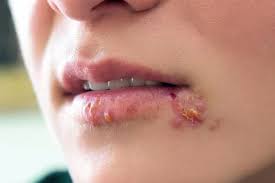
Types of Herpes Simplex

  1. Oral Herpes (HSV-1) Usually affects the lips, mouth, and surrounding skin. Often presents as painful blisters or cold sores.

  2. Genital Herpes (HSV-2) Affects the genital and anal areas. Transmitted primarily through sexual contact. May cause recurrent outbreaks.

Common Symptoms

Painful fluid-filled blisters Burning, tingling, or itching before the sores appear Small ulcers after the blisters break Redness and swelling Fever and swollen lymph nodes during the first episode (in some people)

Commonly Affected Areas

Lips Mouth Nose Face Genital area Buttocks Around the anus

What Causes Herpes Simplex?

Herpes Simplex is caused by the Herpes Simplex Virus (HSV-1 or HSV-2). The virus enters the body through the skin or mucous membranes and remains inactive in the nerves, where it can reactivate later.

Common Triggers for Recurrence

Stress Fever or illness Sun exposure Fatigue Hormonal changes Weakened immune system

Is Herpes Simplex Contagious?
Yes. Herpes Simplex is contagious and can spread through direct skin-to-skin contact, kissing (oral herpes), sexual contact (genital herpes), and contact with active blisters or sores. The virus can occasionally spread even when no visible sores are present.
Can Herpes Simplex Be Cured?
There is no permanent cure for Herpes Simplex. However, antiviral medications can help reduce the severity and duration of outbreaks, relieve symptoms, and decrease the risk of transmission.
When Should You See a Dermatologist?
Consult a dermatologist if you develop painful blisters or sores, you have frequent or recurrent outbreaks, the sores do not heal within two weeks, the infection involves the eyes, you have a weakened immune system, or you are pregnant and develop genital herpes. Early diagnosis and appropriate treatment can help control symptoms, reduce recurrences, and prevent complications.