Common Symptoms
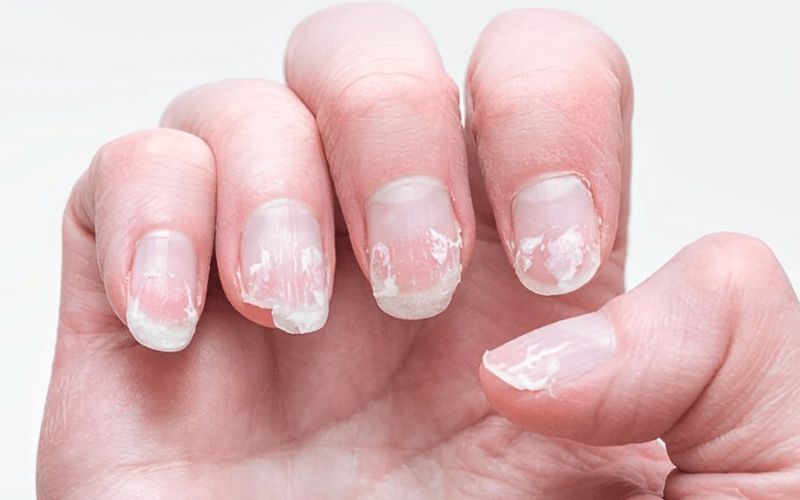
* Thickened or brittle nails
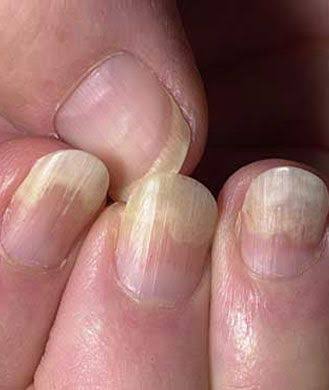
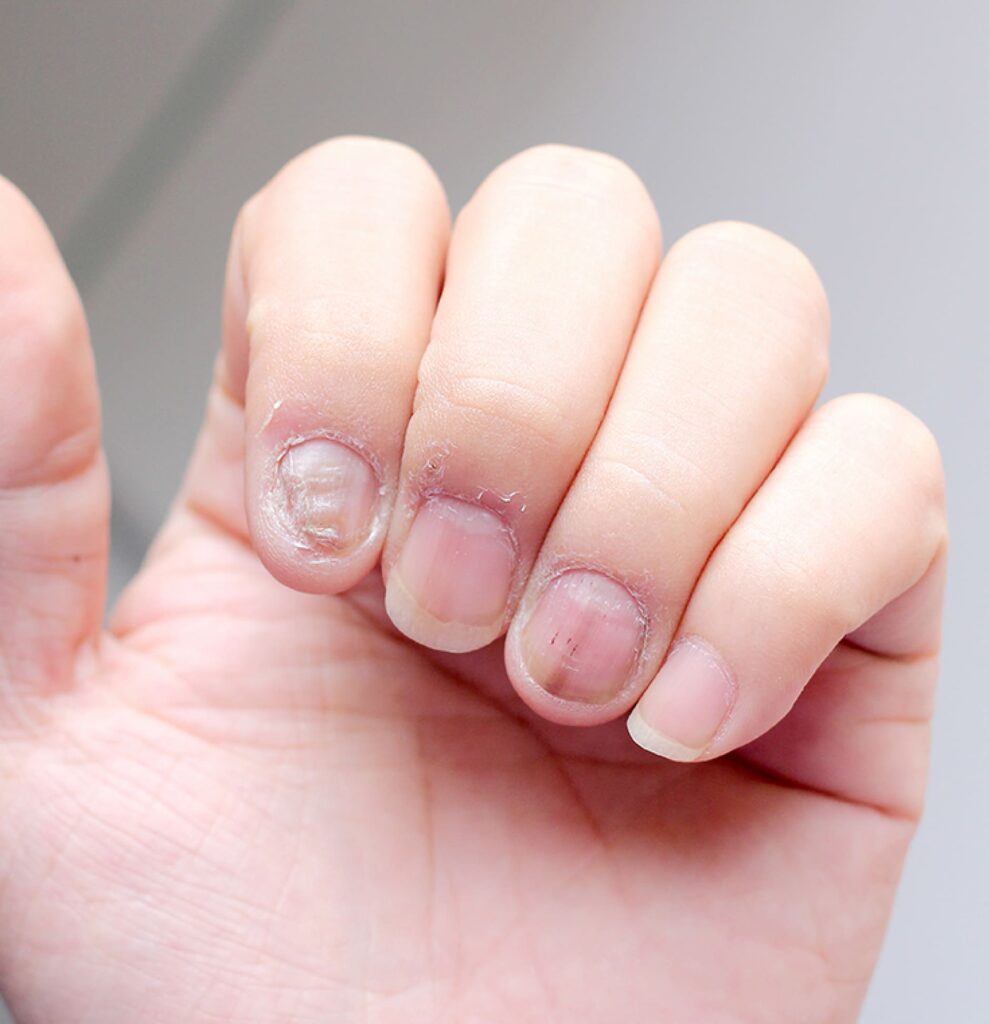
* Discoloration (white, yellow, brown, or black)
* Cracked or splitting nails
* Ridges or grooves on the nail surface
* Pain, swelling, or redness around the nail
* Nail lifting from the nail bed
* Slow or abnormal nail growth
Common Nail Disorders
* Fungal Nail Infection (Onychomycosis)
* Ingrown Toenail
* Paronychia (Nail Fold Infection)
* Nail Psoriasis
* Onycholysis (Nail Separation)
* Brittle Nails
* Traumatic Nail Injury
* Nail Pigmentation (Melanonychia)
Common Causes & Risk Factors
* Fungal or bacterial infections
* Injury or repeated trauma
* Psoriasis, eczema, or other skin conditions
* Frequent exposure to water or chemicals
* Poor nail care habits
* Nutritional deficiencies
* Diabetes or poor circulation
Diagnosis
A dermatologist diagnoses nail disorders through a clinical examination. Depending on the condition, nail clippings, fungal tests, dermoscopy, or a biopsy may be recommended to determine the exact cause.
Prevention
* Keep nails clean and dry.
* Trim nails properly and avoid biting them.
* Wear comfortable, well-fitting shoes.
* Use gloves when handling water or chemicals.
* Avoid sharing nail care tools.
* Maintain good hand and foot hygiene.
When to See a Dermatologist
Consult a dermatologist if you notice persistent nail discoloration, thickening, pain, swelling, nail separation, or changes in nail shape or growth. Early evaluation can help identify the underlying cause and prevent complications.
Note: Healthy nails can reflect overall health. Any persistent or unusual nail changes should be evaluated by a dermatologist for accurate diagnosis and appropriate treatment.