
Skip to content

Scabies

Contact Us Today!

Acne scar treatment reduce appearance of marks left behind by breakouts.

Contact Us Today!

What is Scabies?

Scabies is a common, contagious skin condition caused by a tiny mite called Sarcoptes scabiei. The mites burrow into the outer layer of the skin, leading to intense itching and a characteristic rash. It can affect people of all ages and spreads easily through close skin-to-skin contact.
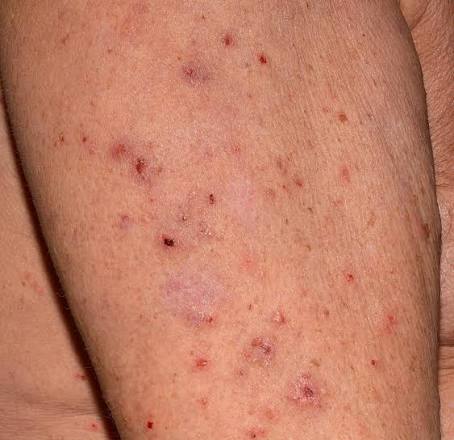
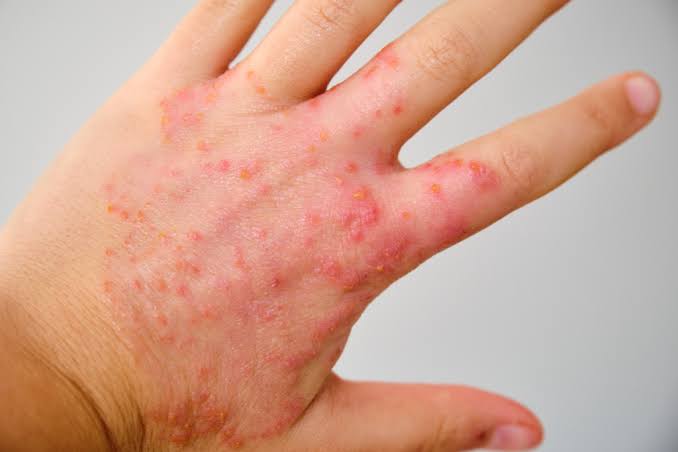
Common Symptoms

Intense itching, especially at night Small red bumps or tiny blisters Thin, wavy burrow lines on the skin Scratch marks and crusting due to persistent itching Rash that may spread to multiple parts of the body

Commonly Affected Areas

Finger webs Wrists Elbows Armpits Waistline Buttocks Around the nipples Genital area Ankles and feet Note: In infants and young children, the scalp, face, palms, and soles may also be affected.

Types of Scabies

Classic Scabies: The most common form, causing itching and scattered burrows. Crusted (Norwegian) Scabies: A severe form with thick crusts containing large numbers of mites, usually seen in people with weakened immune systems. Nodular Scabies: Persistent itchy nodules, commonly affecting the groin, armpits, or genital region.

How Scabies Spreads

Prolonged skin-to-skin contact with an infected person Sharing bedding, towels, or clothing (less commonly) Household members and close contacts are at higher risk

Diagnosis

A dermatologist usually diagnoses scabies through a detailed skin examination and, when needed, by identifying mites, eggs, or burrows using specialized techniques.

Prevention

Avoid close contact with infected individuals until treatment is completed. Wash recently used clothes, bedding, and towels. Maintain good personal and household hygiene. Seek medical evaluation if multiple family members develop itching.

Is Scabies Contagious?
Yes. Scabies is highly contagious and spreads easily through prolonged skin-to-skin contact, or less commonly, by sharing bedding, towels, or clothing. Household members and close contacts are at higher risk.
Can Scabies Be Cured?
Yes. Scabies responds well to proper medical treatment. Early diagnosis and treating all close contacts at the same time helps eliminate the mites, prevent the spread, and avoid re-infection.
When to See a Dermatologist?
If you or your family members develop persistent itching, especially at night, or notice a spreading itchy rash, consult a dermatologist for proper diagnosis and management. Early treatment helps prevent spread to others.