
Fungal skin infections are common infections caused by fungi that affect the skin, hair, or nails. They are more likely to occur in warm, humid conditions and can affect people of all ages. Many fungal infections are contagious and spread through direct contact or contaminated objects.
Explore our services
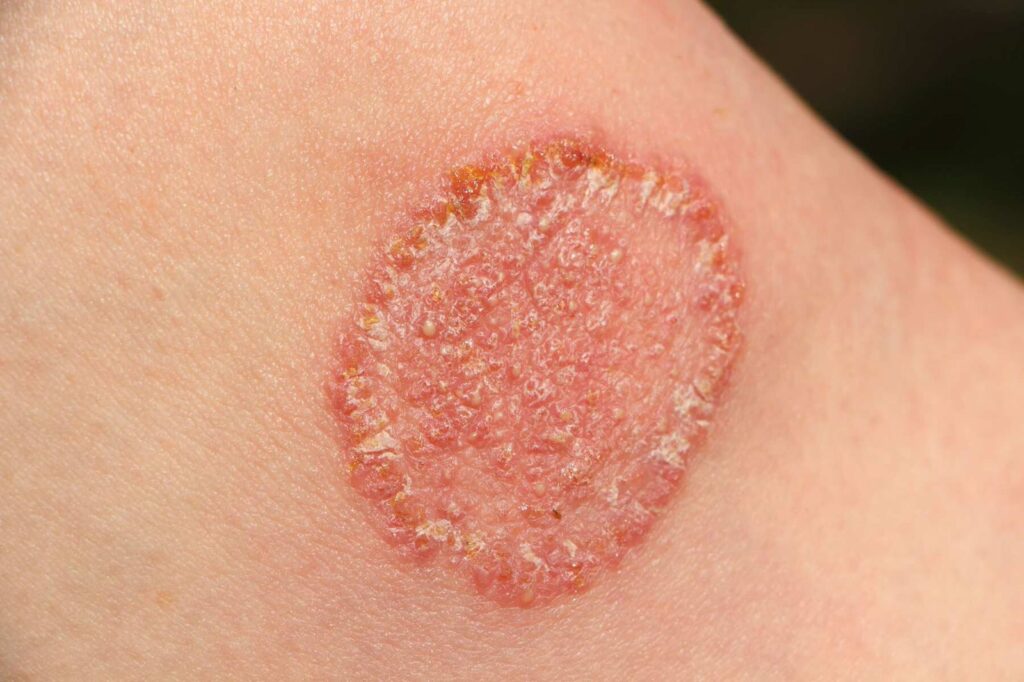
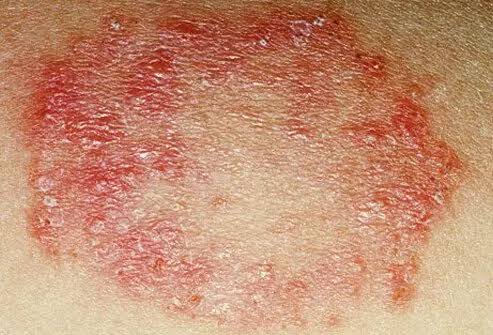
Types of Fungal Infections
-
Ringworm (Tinea Corporis): A ring-shaped, red, itchy rash that commonly affects the arms, legs, chest, or back.
-
Jock Itch (Tinea Cruris): A fungal infection of the groin and inner thighs, commonly seen in adults, especially those who sweat excessively.
-
Athlete’s Foot (Tinea Pedis): A fungal infection affecting the feet, especially between the toes. It causes itching, peeling, and cracking of the skin.
-
Scalp Ringworm (Tinea Capitis): A fungal infection of the scalp that can cause scaly patches, hair loss, itching, and broken hairs. It is more common in children.
-
Nail Fungus (Onychomycosis / Tinea Unguium): A fungal infection of the fingernails or toenails causing thickened, brittle, yellow, or discolored nails.
-
Pityriasis Versicolor (Tinea Versicolor): A superficial fungal infection caused by yeast that results in lighter or darker patches on the chest, back, shoulders, or neck.
Common Symptoms
Itching Red or scaly rash Ring-shaped patches Peeling or cracked skin Burning sensation White, brown, or pink skin patches Thickened or discolored nails
Commonly Affected Areas
Feet Groin Body Scalp Nails Chest and back Hands
Causes
Fungal infections are caused by microscopic fungi that grow on the skin. They thrive in warm, moist environments and spread through direct contact with infected people, animals, or contaminated items.
Are Fungal Infections Contagious?
Yes. Many fungal infections can spread through skin-to-skin contact or by sharing personal items.
Can Fungal Infections Be Cured?
Most fungal skin infections can be successfully treated when diagnosed early. Prompt medical attention helps prevent recurrence and spread.
When Should You See a Dermatologist?
Consult a dermatologist if the rash is spreading, symptoms do not improve, the infection keeps returning, your scalp or nails are affected, or you have diabetes or a weakened immune system. Early diagnosis and appropriate treatment can help clear the infection and prevent complications.