Herpes Zoster, commonly known as Shingles, is a viral infection caused by the Varicella-Zoster Virus (VZV)—the same virus that causes chickenpox. After a person recovers from chickenpox, the virus remains inactive in the nerves and can reactivate years later, causing shingles. Shingles is more common in older adults and people with weakened immune systems.
Explore our services
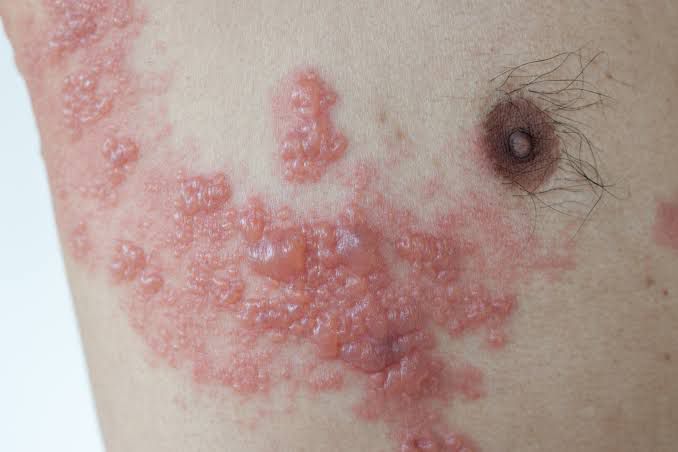
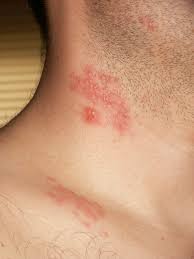
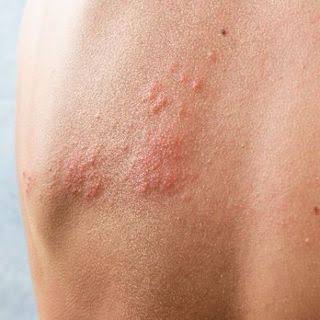
Common Symptoms
Pain, burning, or tingling sensation before the rash appears Red rash on one side of the body or face Clusters of fluid-filled blisters Itching or sensitivity of the skin Fever Headahe Fatigue
Commonly Affected Areas
Chest Back Abdomen Face Neck Around the eyes (ophthalmic shingles) Note: Shingles usually affects only one side of the body and follows the path of a single nerve (dermatome).
Causes
Herpes Zoster occurs when the Varicella-Zoster Virus becomes active again after remaining dormant in the body’s nerve cells following a previous chickenpox infection.
Risk Factors
Age over 50 years Previous chickenpox infection Weakened immune system Stress Certain medical conditions Immunosuppressive medications
Possible Complications
Postherpetic Neuralgia (PHN): Persistent nerve pain after the rash has healed Eye involvement, which can affect vision Secondary bacterial skin infection Scarring or changes in skin color
Is Herpes Zoster Contagious?
Shingles itself is not spread from person to person. However, the virus in the blisters can cause chickenpox in someone who has never had chickenpox or has not been vaccinated, if they come into direct contact with the blister fluid.
Can Herpes Zoster Be Treated?
Yes. Early diagnosis and prompt medical treatment can help reduce the severity of symptoms, shorten the duration of the illness, and lower the risk of complications.
When Should You See a Dermatologist?
Consult a dermatologist immediately if you develop a painful blistering rash, the rash involves the face or eyes, you are over 50 years of age, you have a weakened immune system, or the pain is severe or continues after the rash has healed. Seeking medical attention within the first 72 hours of the rash appearing offers the best chance of reducing complications and promoting faster recovery.