Types of Acne Scars
* Ice Pick Scars – Deep, narrow scars that extend into the skin.
* Boxcar Scars – Broad, round or oval depressions with well-defined edges.
* Rolling Scars – Wide, shallow depressions that create an uneven or wavy skin surface.
* Hypertrophic Scars – Raised scars caused by excess collagen formation.
* Keloid Scars – Thick, raised scars that grow beyond the original acne lesion.
Who Can Benefit from Treatment?
Acne scar treatment may be suitable for people who have:
* Depressed (atrophic) acne scars
* Raised acne scars
* Uneven skin texture
* Post-acne skin irregularities
* Cosmetic concerns following acne
A consultation with a dermatologist is important to determine the type of acne scar and the most appropriate treatment plan.
Available Treatment Options
Depending on the type and severity of the scars, treatment may include:
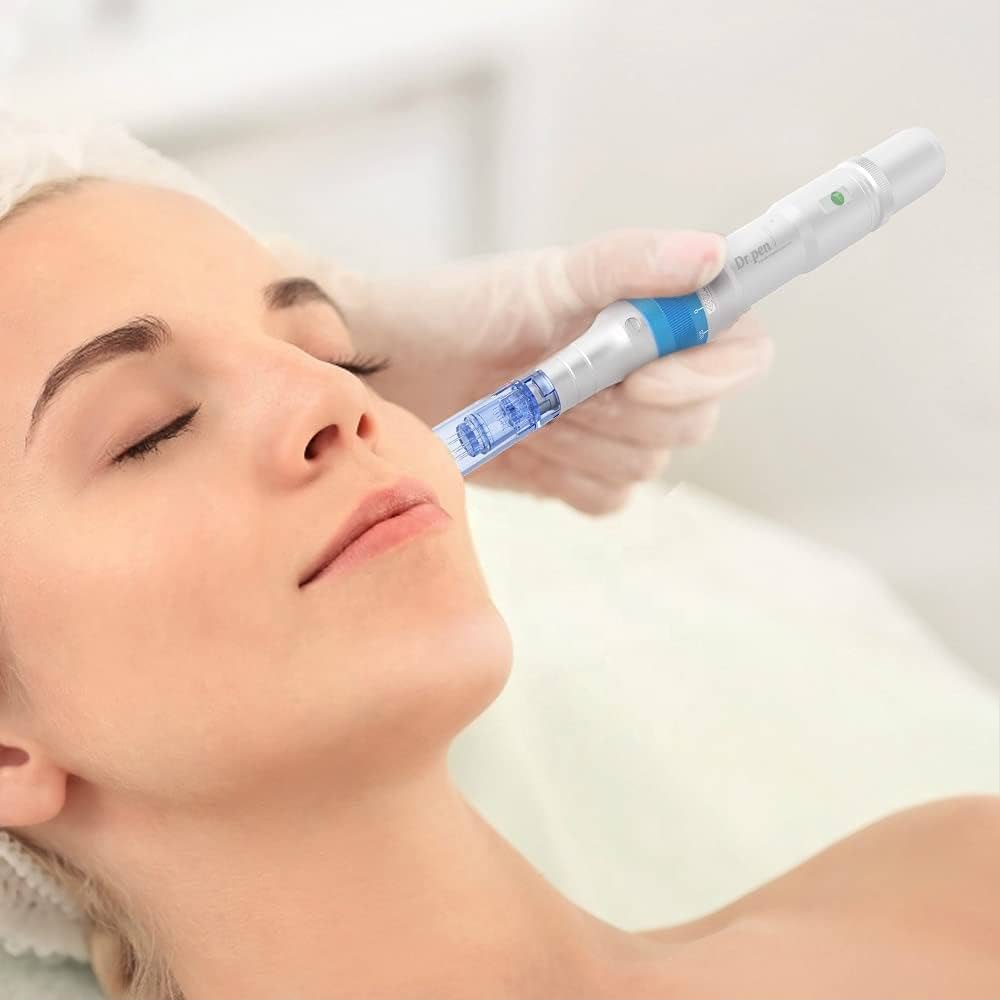
* Microneedling
* Platelet-Rich Plasma (PRP)
* Fractional Laser Resurfacing
* Chemical Peels
* Subcision
* TCA CROSS
* Dermal Fillers (selected cases)
* Punch Excision or Punch Elevation (selected scars)
* Combination therapies for optimal results
Your dermatologist will recommend a personalized treatment plan based on your skin type and scar pattern.
Benefits of Acne Scar Treatment
* Improves skin texture
* Reduces the appearance of scars
* Stimulates collagen production
* Enhances skin smoothness
* Improves overall skin quality
* Boosts self-confidence
How is the Procedure Performed?
The treatment depends on the selected procedure. Most treatments are performed as outpatient procedures under sterile conditions and usually take 30–60 minutes per session. Multiple sessions are often required to achieve the best results.
Expected Results
Improvement occurs gradually as the skin heals and new collagen forms. The degree of improvement varies depending on the type, depth, and severity of the scars. While acne scars can be significantly improved, complete removal is not always possible.
Aftercare
* Follow your dermatologist’s post-treatment instructions.
* Apply sunscreen daily.
* Avoid excessive sun exposure.
* Do not pick or scratch the treated skin.
* Keep the skin clean and moisturized.
* Attend follow-up appointments as recommended.
Is Acne Scar Treatment Safe?
Acne scar treatments are generally safe when performed by a qualified dermatologist. Temporary redness, swelling, mild discomfort, or peeling may occur depending on the treatment used. Serious complications are uncommon when appropriate techniques and aftercare are followed.
When to Consult a Dermatologist
If acne scars affect your appearance or confidence, consult a dermatologist for a detailed assessment. Early treatment often provides better results, and a personalized treatment plan can help improve skin texture and overall appearance.