
Skip to content

Melasma

What is Melasma?

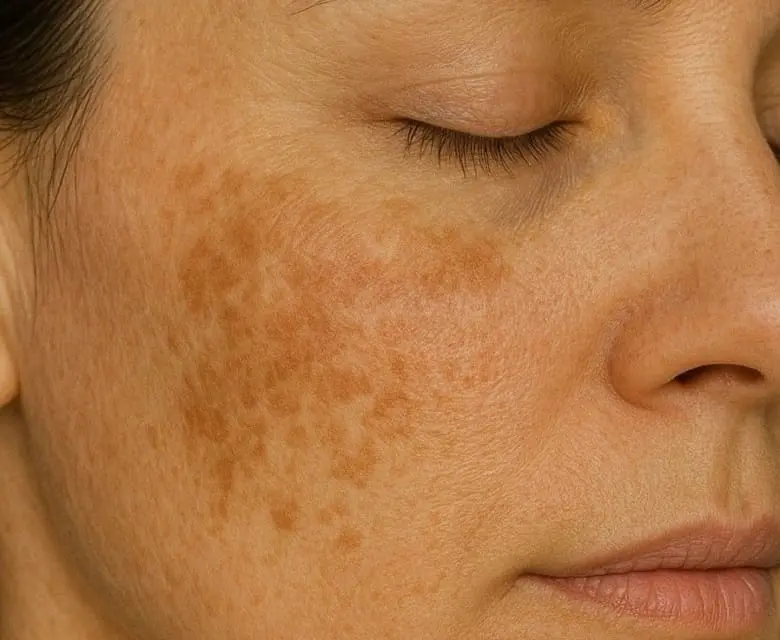
Melasma is a common skin condition that causes brown, gray-brown, or dark patches on the skin, most commonly on the face. It is a harmless pigmentation disorder but can affect self-confidence. Melasma is more common in women, especially during pregnancy, but it can also occur in men.
Common Symptoms

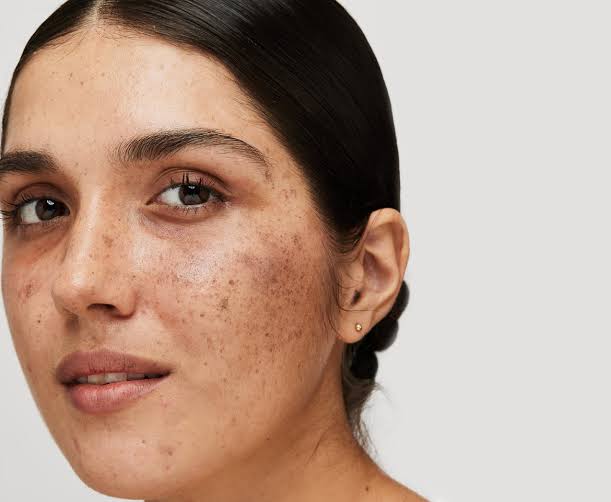
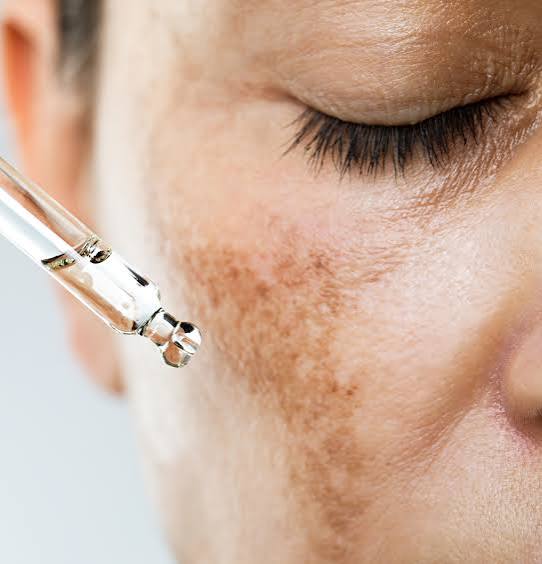
Brown or gray-brown patches on the face Symmetrical pigmentation on both sides of the face Commonly affects the cheeks, forehead, nose, upper lip, and chin Usually painless and non-itchy Pigmentation becomes darker after sun exposure

Types of Melasma

Epidermal Melasma: Pigment is located in the outer layer of the skin. Dermal Melasma: Pigment is located deeper within the skin. Mixed Melasma: A combination of both epidermal and dermal pigmentation.

Common Causes & Risk Factors

Excessive sun exposure Hormonal changes (pregnancy or birth control pills) Genetic predisposition Heat and visible light exposure Certain cosmetics or skincare products Thyroid disorders (in some individuals)

Diagnosis

Melasma is usually diagnosed through a clinical examination by a dermatologist. In some cases, a Wood’s lamp examination or dermoscopy may be used to assess the depth of pigmentation.

Prevention

Apply a broad-spectrum sunscreen (SPF 30 or higher) every day. Wear a hat and protective clothing when outdoors. Avoid prolonged sun and heat exposure. Use gentle skincare products. Follow a consistent sun-protection routine.

Is Melasma Contagious?
No. Melasma is a non-contagious pigmentation disorder and cannot spread from one person to another through touch or close contact.
Can Melasma Be Cured?
Melasma is a chronic but manageable condition. There is no guaranteed permanent cure, but proper sun protection and early diagnosis play an important role in achieving the best results and slowing its progression.
When to See a Dermatologist?
If facial pigmentation persists, worsens, or affects your confidence, consult a dermatologist for a proper evaluation and personalized treatment plan.