Common Symptoms
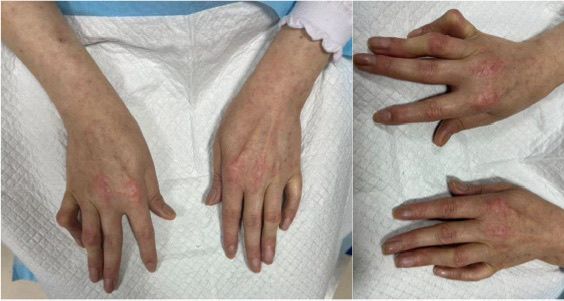
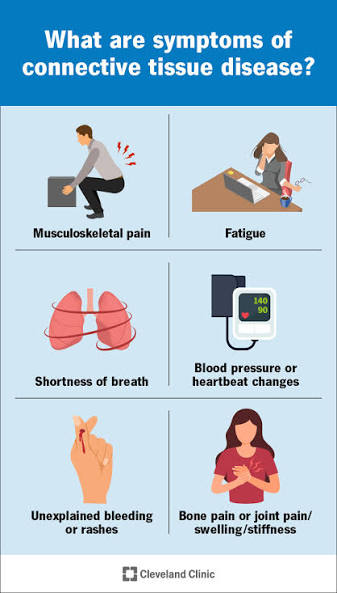
* Skin rashes or redness
* Thickening or tightening of the skin
* Skin hardening
* Photosensitivity (rash after sun exposure)
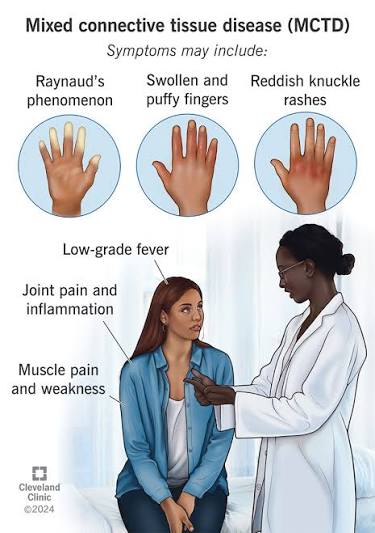
* Finger color changes in cold weather (Raynaud’s phenomenon)
* Mouth ulcers
* Hair loss
* Joint pain or swelling
* Muscle weakness
* Painful skin ulcers or sores
Common Connective Tissue Disorders
* Cutaneous Lupus Erythematosus
* Systemic Lupus Erythematosus (SLE)
* Morphea (Localized Scleroderma)
* Systemic Sclerosis (Scleroderma)
* Dermatomyositis
* Mixed Connective Tissue Disease (MCTD)
* Sjögren’s Syndrome
* Raynaud’s Phenomenon (often associated with connective tissue diseases)
Common Risk Factors
* Genetic predisposition
* Autoimmune disorders
* Female gender
* Environmental triggers
* Certain infections
* Smoking
* Sun exposure (for some conditions)
Diagnosis
A dermatologist diagnoses connective tissue disorders through a detailed medical history, physical examination, and appropriate investigations, which may include blood tests, autoantibody testing, skin biopsy, dermoscopy, or imaging studies when required.
Prevention
There is no known way to completely prevent connective tissue disorders. However, protecting the skin from excessive sun exposure, avoiding smoking, maintaining a healthy lifestyle, and following regular medical care may help reduce disease flare-ups and complications.
When to See a Dermatologist
Consult a dermatologist if you experience persistent skin rashes, skin tightening, unexplained ulcers, color changes in the fingers, muscle weakness, or other unusual skin symptoms. Early diagnosis and multidisciplinary care are important for effective disease management.
Note: Connective tissue disorders are chronic autoimmune conditions. With timely diagnosis and appropriate treatment, many patients can successfully manage symptoms and maintain a good quality of life.