Common Symptoms
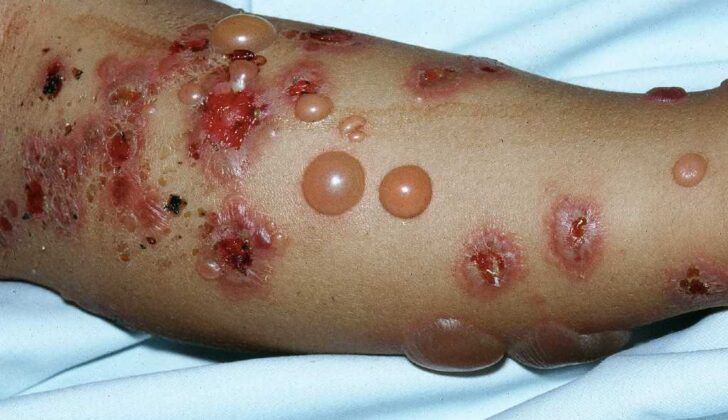
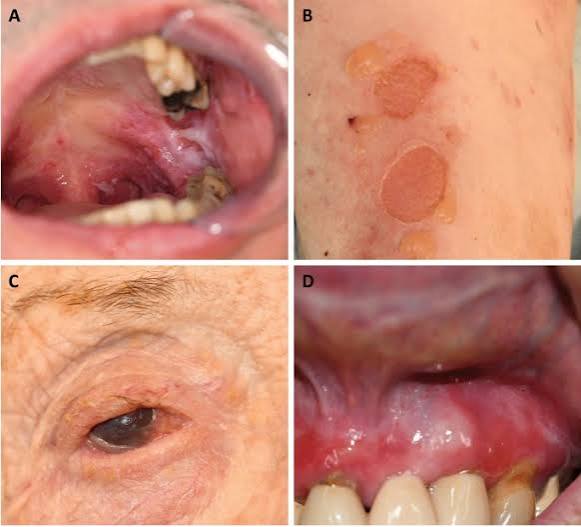
* Large fluid-filled blisters (bullae)
* Fragile skin that blisters easily
* Painful or itchy blisters
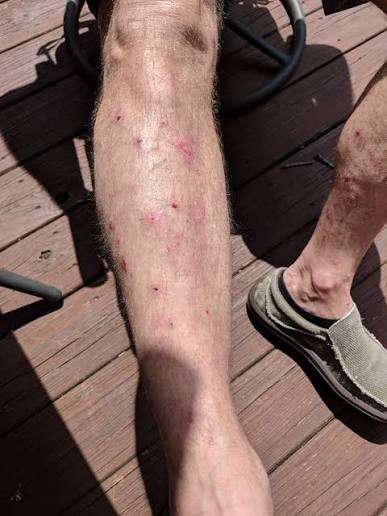
* Skin erosions after blisters rupture
* Crusting and delayed healing
* Mouth, eye, or genital sores in some conditions
Common Types of Bullous Diseases
* Pemphigus Vulgaris
* Pemphigus Foliaceus
* Bullous Pemphigoid
* Dermatitis Herpetiformis
* Linear IgA Bullous Dermatosis
* Epidermolysis Bullosa
* Bullous Drug Eruptions
Common Risk Factors
* Autoimmune disorders
* Genetic predisposition
* Certain medications
* Older age (especially for bullous pemphigoid)
* Underlying medical conditions
* Family history (for inherited forms)
Diagnosis
A dermatologist diagnoses bullous diseases through a detailed clinical examination. Additional investigations may include a skin biopsy, direct immunofluorescence, blood tests, and other specialized laboratory tests to confirm the diagnosis.
Prevention
Most autoimmune and inherited bullous diseases cannot be prevented. However:
* Avoid medications known to trigger blistering (if applicable).
* Protect the skin from trauma and friction.
* Practice good skin and wound care.
* Attend regular follow-up appointments with your dermatologist.
When to See a Dermatologist
Consult a dermatologist immediately if you develop unexplained blisters, painful skin erosions, recurrent blistering, or sores involving the mouth, eyes, or genital area. Prompt diagnosis and treatment can help prevent serious complications.
Note: Bullous diseases range from mild to severe. Early diagnosis and specialist care are essential for effective management and improved quality of life.