Common Symptoms
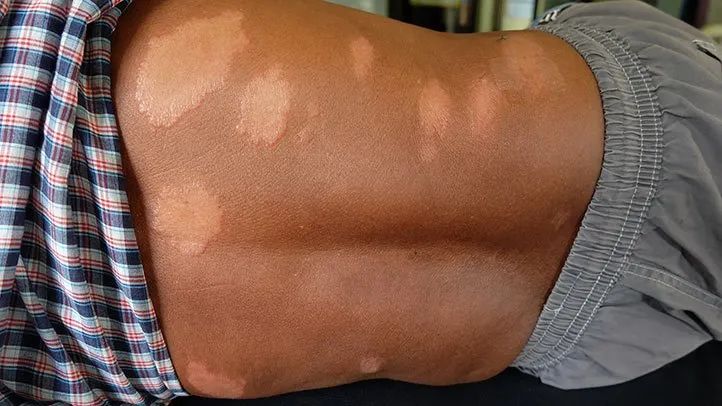
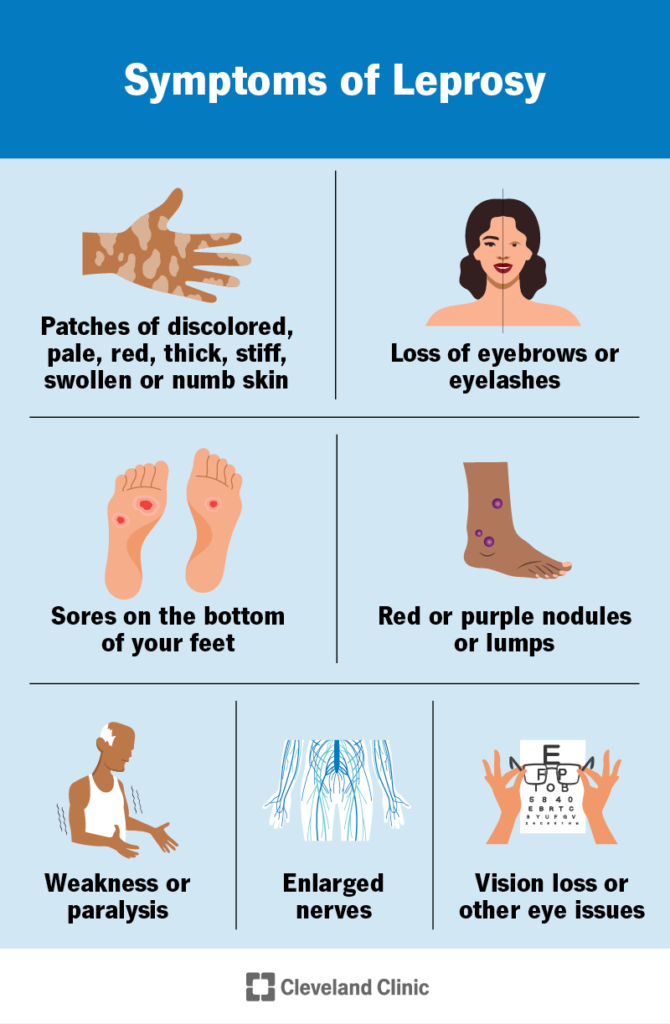
* Light-colored or reddish skin patches
* Loss of sensation (numbness) in affected skin
* Tingling or numbness in the hands and feet
* Thickened or enlarged peripheral nerves
* Muscle weakness
* Dry skin with reduced sweating
* Non-healing wounds or ulcers on the hands or feet
* Loss of eyebrows or eyelashes in advanced cases
Types of Leprosy
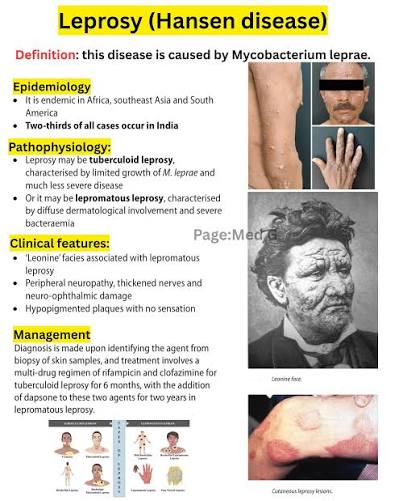
* Paucibacillary (PB) Leprosy: Limited number of skin lesions with fewer bacteria.
* Multibacillary (MB) Leprosy: Multiple skin lesions with a higher bacterial load.
* Borderline Leprosy: Features that fall between the two major forms and may vary in severity.
How is Leprosy Spread?
Leprosy is thought to spread through prolonged, close contact with an untreated infected person, likely via respiratory droplets. It is not highly contagious, and most people have natural immunity to the disease.
Diagnosis
A dermatologist diagnoses leprosy through a detailed clinical examination, assessment of skin sensation and peripheral nerves, and, when required, skin smears or a skin biopsy to confirm the diagnosis.
Prevention
* Seek early medical evaluation for suspicious skin patches with numbness.
* Complete the full course of prescribed treatment if diagnosed.
* Close contacts may require medical evaluation.
* Early diagnosis helps prevent disability and reduces transmission.
When to See a Dermatologist
Consult a dermatologist if you notice persistent skin patches with reduced sensation, numbness, tingling, muscle weakness, or thickened nerves. Early diagnosis and treatment are essential to prevent long-term complications.
Note: Leprosy is a curable disease. With timely diagnosis and appropriate treatment, most people recover completely and can lead healthy, productive lives.