Common Symptoms
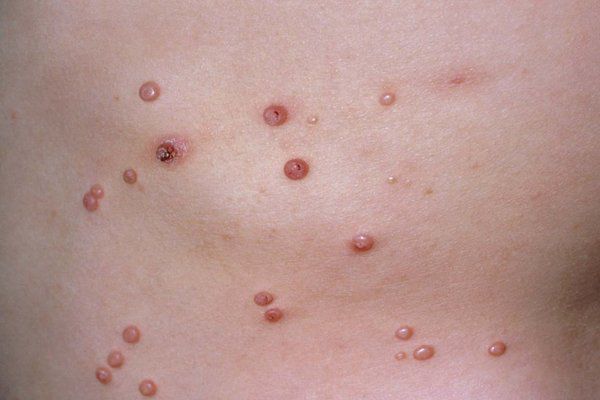
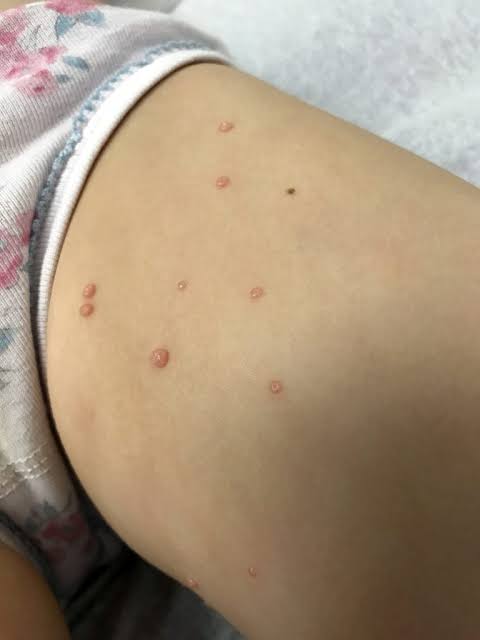
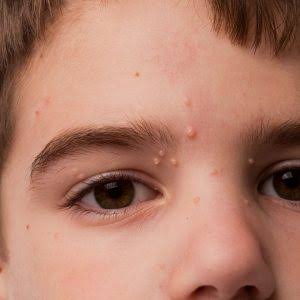
* Small, firm, flesh-colored or pink bumps
* Smooth, dome-shaped lesions with a central dimple (umbilication)
* Usually painless but may become itchy or inflamed
* Can occur singly or in clusters
* Commonly affects the face, trunk, arms, legs, and genital area (in adults)
How Does It Spread?
* Direct skin-to-skin contact
* Sharing towels, clothing, or personal items
* Contact during sports such as wrestling
* Sexual contact in adults when lesions involve the genital area
* Scratching can spread the virus to other areas of the body
Who Is at Risk?
* Children
* People with eczema
* Individuals with weakened immune systems
* Athletes involved in close-contact sports
* Sexually active adults
Diagnosis
A dermatologist can usually diagnose molluscum contagiosum through a clinical skin examination. Additional tests are rarely needed unless the diagnosis is uncertain.
Prevention
* Avoid direct contact with infected skin.
* Do not share towels, clothing, or personal items.
* Avoid scratching or picking the lesions.
* Keep lesions covered during close-contact activities.
* Practice good personal hygiene.
When to See a Dermatologist
Consult a dermatologist if the bumps are spreading rapidly, become painful or infected, persist for a long time, occur in the genital area, or if you have a weakened immune system.
Note: Molluscum contagiosum is a contagious but generally self-limiting skin infection. Early diagnosis can help prevent its spread and reduce the risk of transmission to others.