Common Symptoms
* Genital sores, ulcers, or blisters
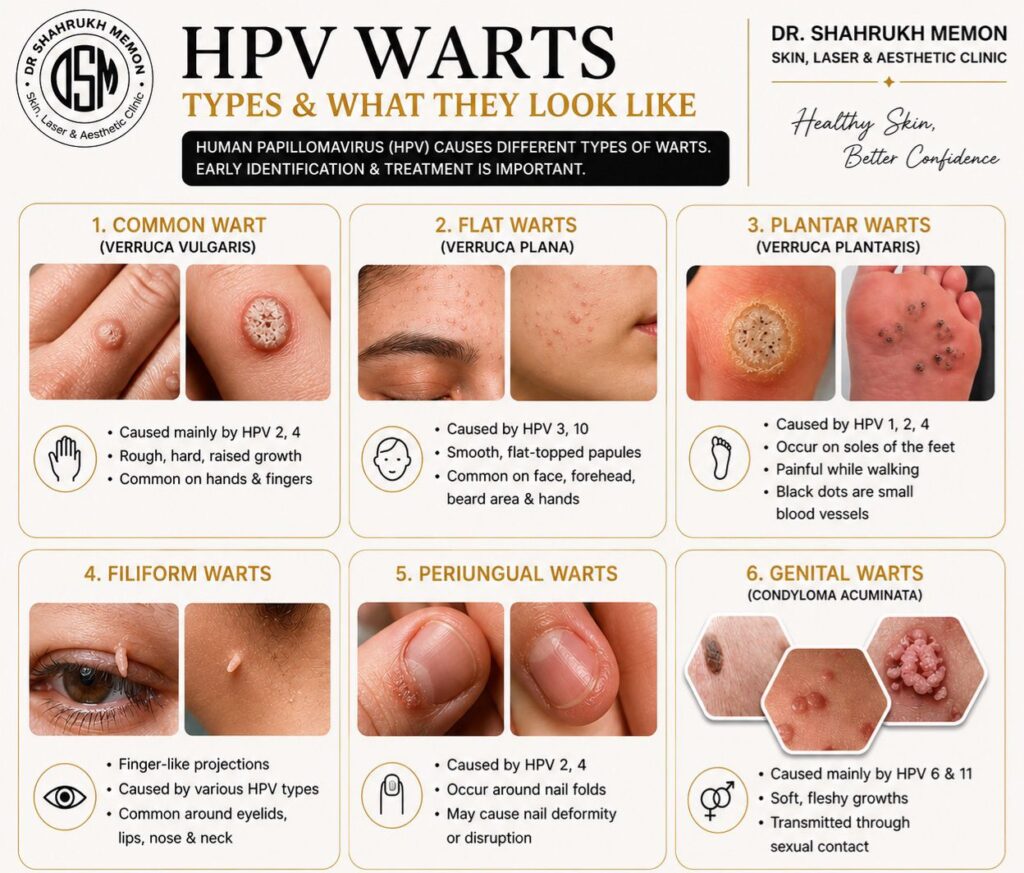
* Warts around the genital or anal area
* Unusual vaginal or penile discharge
* Burning or pain during urination
* Itching or irritation in the genital area
* Lower abdominal or pelvic pain
* Swollen lymph nodes
* Some STIs may cause no symptoms (asymptomatic)
Common Types of STIs
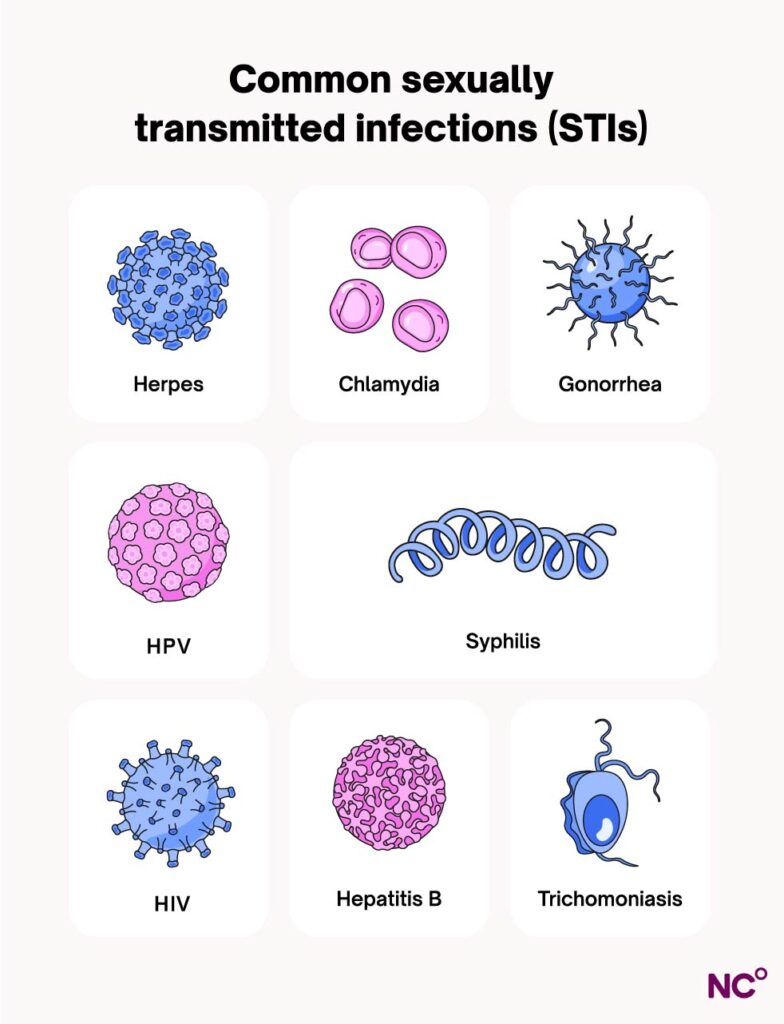
* Genital Warts (HPV)
* Genital Herpes
* Syphilis
* Gonorrhea
* Chlamydia
* Trichomoniasis
* Molluscum Contagiosum (can be sexually transmitted in adults)
* HIV and Hepatitis B (can also be transmitted through blood and from mother to child)
Who Is at Risk?
* Individuals with unprotected sexual contact
* People with multiple sexual partners
* Individuals whose partner has an STI
* People with a previous history of STIs
* Sexually active adolescents and young adults
Diagnosis
A dermatologist or healthcare provider can diagnose STIs through a medical history, physical examination, and appropriate laboratory tests such as swabs, urine tests, or blood tests, depending on the suspected infection.
Prevention
* Practice safer sex by using condoms consistently and correctly.
* Limit the number of sexual partners.
* Get regular STI screening if sexually active.
* Ensure both partners are tested when appropriate.
* Receive recommended vaccinations, such as HPV and Hepatitis B vaccines.
* Avoid sexual contact if you or your partner has symptoms until evaluated by a healthcare professional.
When to See a Dermatologist
Consult a dermatologist or healthcare provider if you notice genital sores, warts, blisters, unusual discharge, painful urination, persistent itching, or if you think you may have been exposed to an STI. Early diagnosis and treatment help prevent complications and reduce the risk of transmission.
Note: Many STIs are treatable, and several are curable. Regular screening, early diagnosis, and timely treatment are essential for protecting your health and your partner’s health.